Hi! My name is Rachel Rothstein, and living with a nut allergy has added significant challenges in my daily life, especially when it comes to reading food labels and ensuring safety. I have often found ingredient lists to be confusing or unclear, making it difficult to make choices. I created Behind the Label to empower others with food allergies by sharing my personal journey, providing reliable information, and offering allergy-friendly recipes to assist others facing similar challenges. Thanks for visiting my blog!
I always dreamed of being the person casually snacking on trail mix, eating yogurt with granola, or digging into a blueberry parfait without a second thought. But every time I picked up a bag of granola, I was met with that all-too-familiar line: CONTAINS NUTS. It felt like something so simple was off-limits. But not anymore. Today, granola can finally be a part of the nut-free life and if not better than the typical granola!!!
Ingredients:
1/4 cup honey
1/3 cup light brown sugar
8 tablespoons salted butter
2 teaspoons vanilla extract
1 pinch salt
3 1/2 cups rolled oats
Instructions
Preheat the oven to 300 F and line a baking sheet with parchment paper
Add honey, brown sugar, and butter to a pot and heat over medium heat untill butter has melted and sugar dissolved – about 5 minutes then remove from heat
Stir in the vanilla extract and salt into the melted honey-butter mixture
Add the oats into the honey mixture and stir together untill no dry patches of oat remain
Pour he granola mixture onto the lined baking sheet and spread evenly accross the pan
Bake for 20-30 minutes untill the granola is lightly golden brown on the edges
Let the granola cool for about 30 minutes then break into pieces of your desired size with your hands
Once fully cooled store inside an airtight container
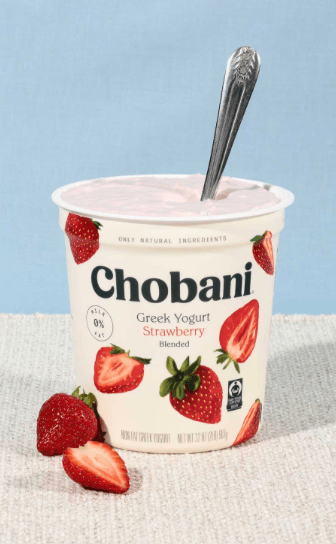
I personally love to pair my granola with chobani strawberry yogurt.
When you have food allergies, traveling abroad can feel like stepping into the unknown—especially if you don’t speak the language. Telling servers at your local restaurants is hard enough, but a language barrier makes it even worse. You’re already navigating new foods, unfamiliar customs, and different allergy labeling laws, and the last thing you want is a miscommunication about your allergy. That’s where food allergy cards come in. Small, powerful tools that can literally be life-saving.
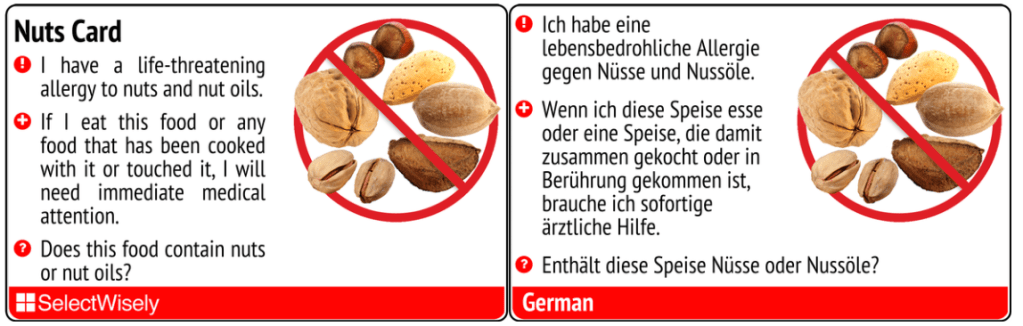
What Are Food Allergy Cards? Food allergy cards are wallet-sized cards that clearly state your allergies in the local language of the country you’re visiting. You can show them to servers, chefs, or food vendors to help ensure that your meal is safe.
They usually include:
A clear list of your allergens
A statement like “I have a severe allergy. If I eat this food, I could go into anaphylactic shock.”
A polite but direct request like “Please make sure my food does not contain or come into contact with these ingredients.”
Below is an Example with the left in English and right in German.
Example in English Example in German
Why they are so important when traveling: Language barriers can make explaining your allergy nearly impossible in some situations. Additionally, labeling laws vary widely from country to country. Not every place has strict labeling like the U.S. In some countries, food allergies may not be taken as seriously or might be confused with dietary preferences that are not life-threatening. Also, you might not know how a dish is traditionally prepared in other countries compared to how it is done in the USA. For example, almond paste is popular in many European desserts. A well-written allergy card in the local language can prevent dangerous mix-ups and help others take your allergy seriously.
When to Use Them: – At restaurants or cafés – At food markets or street vendors and show the card before you even ask about the food. – In hotel kitchens or buffets. Also, ask the staff to speak with the chef using your card. – On flights. Show the card to the flight attendant when receiving meals or snacks.
Where to Get Them – AllergyTranslation.com, which offers customizable allergy cards in 40+ languages.
Finally, an important tip whenever travelling is to print at least 3–5 copies of your card before you leave on your trip, just in case some get lost or kept by the chefs. Carry one in your wallet, one in your day bag, and stash an extra in your suitcase. So, if one gets lost or damaged, you’ve got backups.
So, whether you’re ordering Pasta in Italy, a croissant in France, or sushi in Japan, a food allergy card gives you the voice you need to communicate, even if you don’t speak the language. It’s a small piece of paper with the power to give you freedom, safety, and peace of mind!!
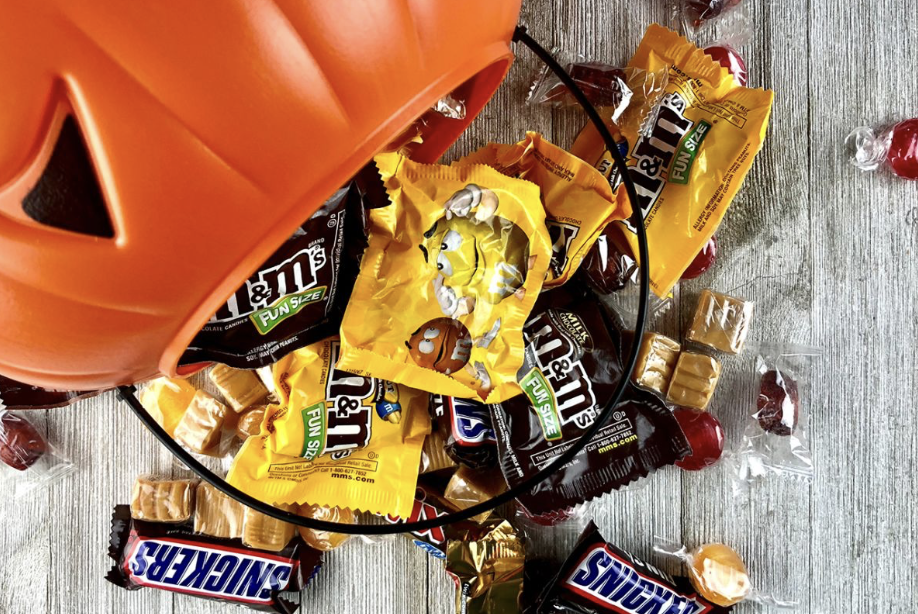
I personally love Halloween. I once dressed up as a minion, M&M, scary cheerleader, and even once as a gumball machine!! But…for those with food allergies, it’s all fun and games until the treat part arrives. If you have a nut allergy, you know just how hard it is on Halloween to make sure the candy you serve and get does not contain nuts. According to Smithsonian magazine, “Allergic reactions to peanuts and tree nuts spike 85 percent on Halloween.” However, when properly educated and taking the necessary precautions, there is nothing to worry about..
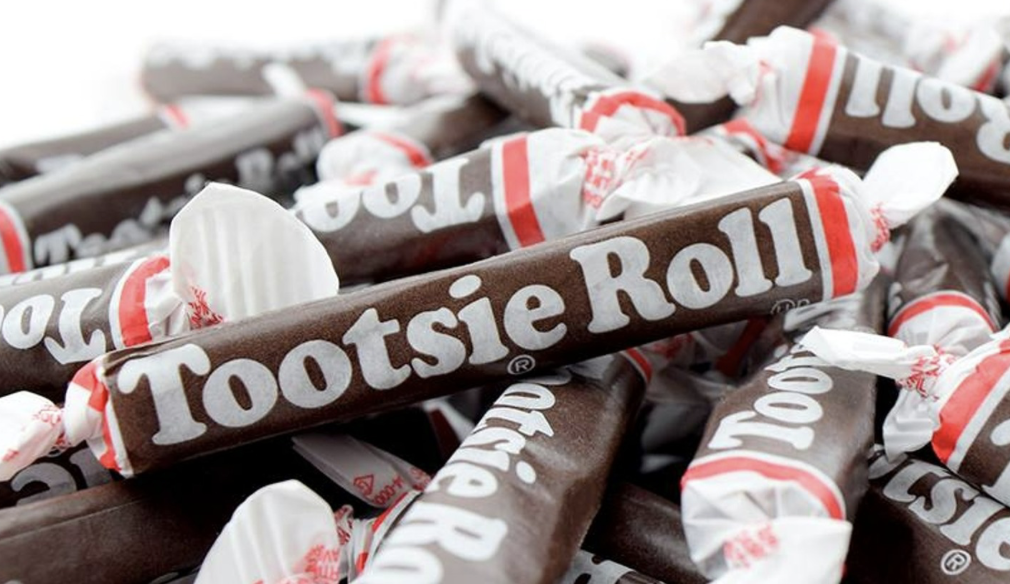
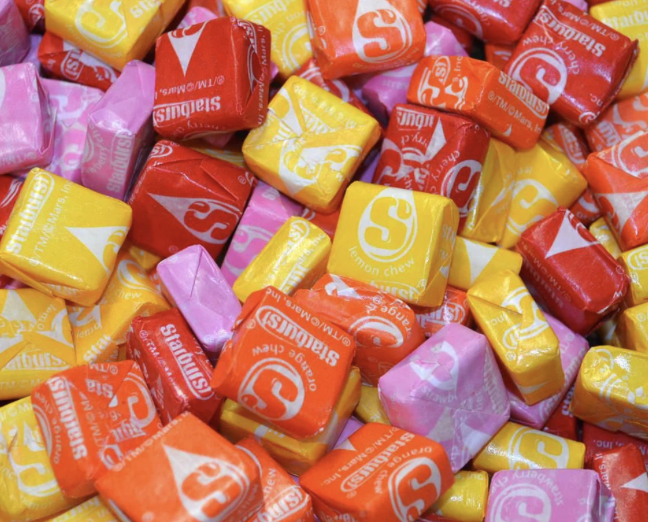
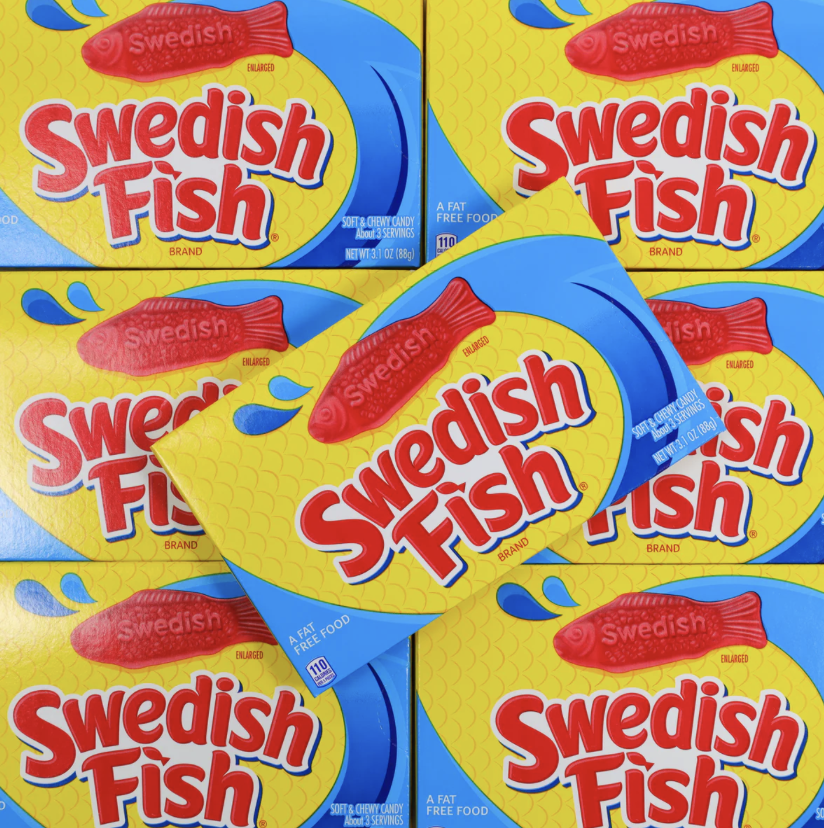
To help with this, below is a list of candies that are nut-free. However, ALWAYS double-check each individual package (because manufacturing facilities can change), but this is a great place to start.
1. Smarties
2. Tootsie Rolls
3. Starburst
4. Sweedish fish
5. Sour patch kids
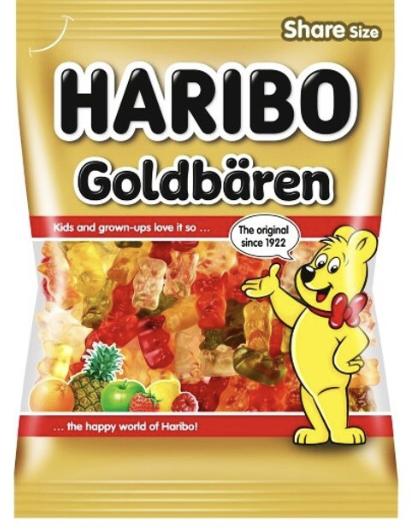
6. Haribo Gummy Bears
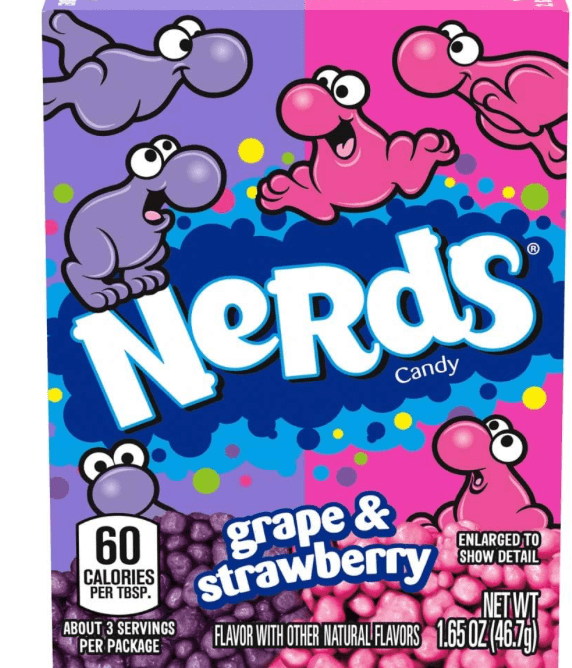
7. Nerds
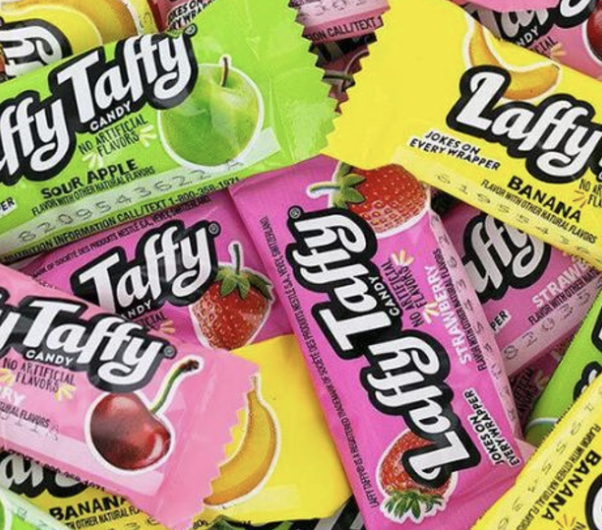
8. Laffy Taffy
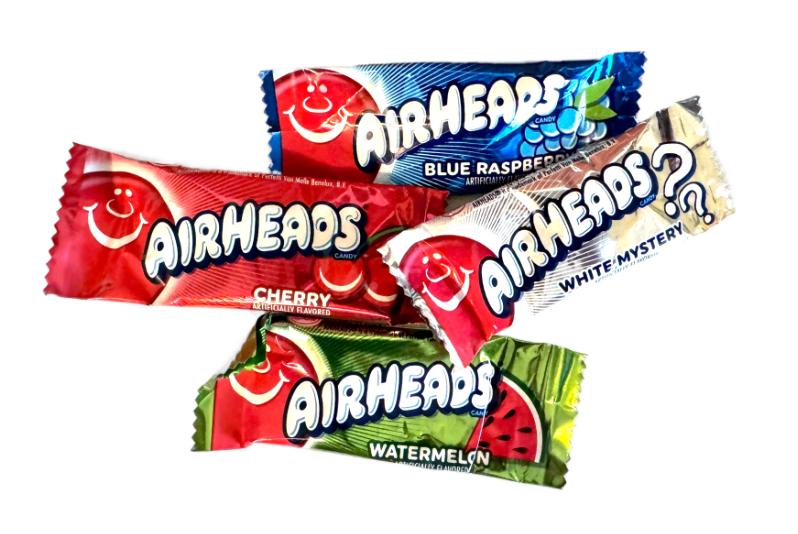
9. Airheads
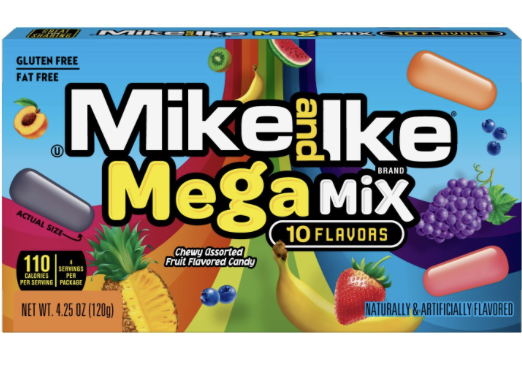
10. Mike and Ike
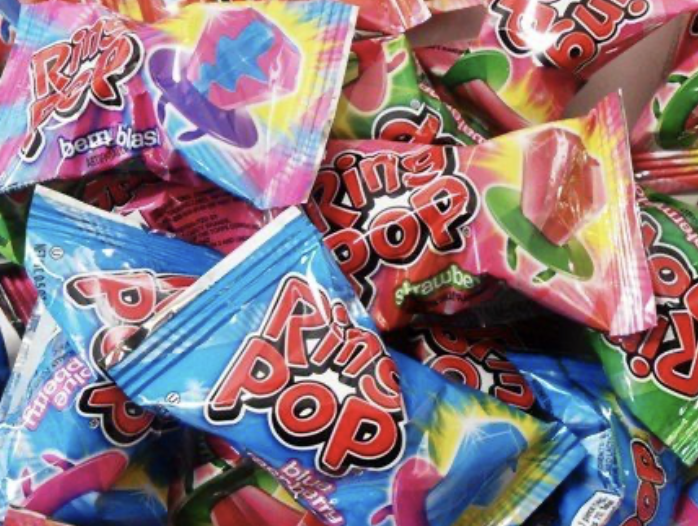
11. Ring Pops
To add on to this list, below are also some great tips you can use for a Safer Halloween:
1. Create a safe swap bag: Trade candy you picked with nutrs for allergy-friendly ones you’ve pre-approved and pre-bought.
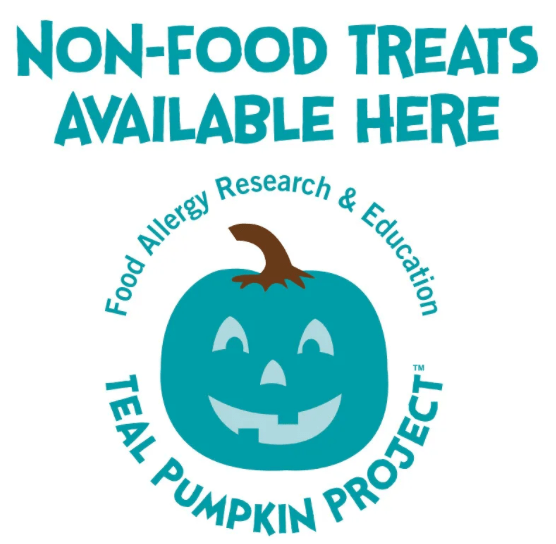
2. Put a teal pumpkin outside: This shows your house has non-food or allergy-safe treats.
3. Bring your own treats to parties as its better to be safe than sorry.
4. Teach other kids what to look for in food labels
Nut allergies should not steal the fun from Halloween. With a little prep and the proper precautions, you can have a sweet, safe, and spooky night!!
I love food. Sushi, Mexican, Hibachi, any cuisine possible. Going out to eat should be fun… but when you have food allergies, it’s not as simple as just picking the tastiest thing on the menu. It’s reading between the lines. It’s wondering if that “special sauce” is actually safe. It’s trying to ask the server the right questions without feeling like an annoyance or burden.
Trust me, I have sat at restaurant tables countless of times pretending to skim the menu like everyone else, while actually scanning for danger. If that’s you too, you’re not alone, and the are always ways to make it easier.
Here are some tips on how I handle eating out at restaurants with food allergies
1. Do Your Homework Before You Go
When it comes to allergies, research is your best friend. I always check the menu online first and look for at least 1 dish I could possibly have and look out for words like “contains nuts,” or any possible allergy symbols. Also, search for reviews on apps such as yelp with keywords like “peanut allergy” or “nut-free”.
2. Call Ahead If there is one tip to take away from this blog post it is this one. Ask to speak with the manager or chef before going to the restaurant and say: “Hi, I have a severe nut allergy, do you accommodate that, and is there anything I should avoid?” This is so important as it helps you avoid the awkward moment at the table when everyone’s ordering and you’re stuck trying to figure out if you’ll even be able to eat. And, if worst comes to worst if they sound unsure or dismissive or unsure, just trust your gut and dont eat there as it is not worth the risk.
3. Ask the Right Questions Once you’re at the restaurant, don’t just say, “I have a food allergy.” Add onto that and be specific and clear, such as: “Does this dish contain any nuts?”, “Is it made on shared equipment or in the same fryer as foods with nuts?”, and “Can the chef prep this in a clean area with clean utensils?” Additionally, always use the word “allergy” as It shows and tells the server that this isn’t a preference for not liking the taste of nuts and it’s okay if a nut accidentally comes into contact with your food, but that it’s a medical risk and must be accommodated.
4. Know the hidden ingredients
The worst part about allergies such as nuts is that more times than not, they’re hidden. An almond flour muffin can look just like a regular one. A coffee might be made with almond milk without it being listed clearly. Even a seemingly savory Mexican dish, like a burrito topped with mole sauce, can be blended with peanuts or tree nuts inside. This is why it’s so important to never assume, even if a food looks safe. Always ask questions, double-check ingredients, and speak up, because with food allergies, it’s often the ingredients you don’t see that are the most dangerous.
5. Ask and advocate without apologizing
Listen carefully: You do not have to feel weird for speaking up! I used to over-explain or say sorry every time I asked a question. Now, I just say, “I have a severe allergy to nuts, so I just want to double-check if what I want can be made safely?” Confident, respectful, and clear. Also, if the server looks confused or unsure, ask to speak to a manager. A good restaurant will always want to help you stay safe. And if they don’t? That’s your sign to leave and try somewhere else.
Overall, eating out with allergies doesn’t have to be scary, and it shouldn’t stop you from enjoying good food with good company. As long as you advocate for yourself, ask clear questions, and communicate your needs confidently, you can definitely eat out safely. The more you practice, the more natural it becomes. You deserve to enjoy your meal and feel safe doing it!!
Back to school season usually means shopping for new notebooks, pens, and maybe a cool first-day outfit. But… if you have food allergies, it also means making sure you’re safe. Not so much now, but especially when I was younger in elementary school, kindergarten – 5th grade, from school lunches to awkward class parties with mystery cupcakes and donuts being brought in, there’s a lot of risks to think about.
So, here is how my parents and I used prep for school with food allergies, and how you can too:
1. Meet with the nurse early Schedule a meeting with the nurse before the first day if possible. Bring your allergy action plan, EpiPens, and any necessary medication such as Benadryl and Cortizone. Go over exactly what your allergies are, what symptoms to look for, and what you would do in an emergency. Also, do not assume the nurse remembers you from last year as the nurse can change and a lot of time has passed by.
2. Talk to Your Teachers
Let your teachers know about your allergies, especially if food is involved in their classroom. It does not need to be dramatic. A quick email like, “Hey, I have a peanut allergy, and I carry an EpiPen. Just wanted to make sure you’re aware,” goes a long way. Plus, when I was younger in elementary school, this especially came in handy, as if there were any class parties or birthdays with treats involved, your teacher could give you a heads-up to bring a safe alternative.
3. Lunch If you eat school lunch, talk to the cafeteria staff or nutrition director. Ask about ingredient lists, how food is prepared, and if there’s any cross-contact with allergens. If it seems sketchy or they’re unsure, bring lunch from home until you’re 100% confident it’s safe.
4. Pack Prepared Make sure you’ve always got:
Your EpiPen
Antihistamines such as benadryl and Cortizone if needed
A safe snack or two (just in case you can’t eat what’s being served)
5. Make a 504 Plan (If Needed) A 504 Plan is a formal document that protects students with medical conditions (like food allergies). It can cover classroom procedures, cafeteria accommodations, and emergency protocols. Not required, but if your allergies are severe, it can help put things in writing and reduce the stress of constant explaining.
All in all, going back to school with allergies doesn’t have to feel overwhelming or isolating. With a little planning, and communication, you can focus on the fun parts of the year, and not the stressful ones!!
As someone with food allergies, one thing I always do before eating something is reading the food label and ingredients list thouroughly. Reading these food labels are a critical part of avoiding allergens and preventing allergic reactions.
Reading a food label for allergens is completely different from what you and others might be used to. It is more than just looking at the protein, carbs, salt, trans fats, and calorie count. Instead, for food allergies, the ingredient list and any warning labels are the most important. However, packaged and processed foods often contain many ingredients and sometimes they are not labelled in a straightforward way. This can make reading food ingredient labels difficult and it may be hard to know how a particular ingredient relates to your allergy.
Here are some things to know, tips, and tricks to read these food allergy labels like a pro!
What allergens must be listed in the USA
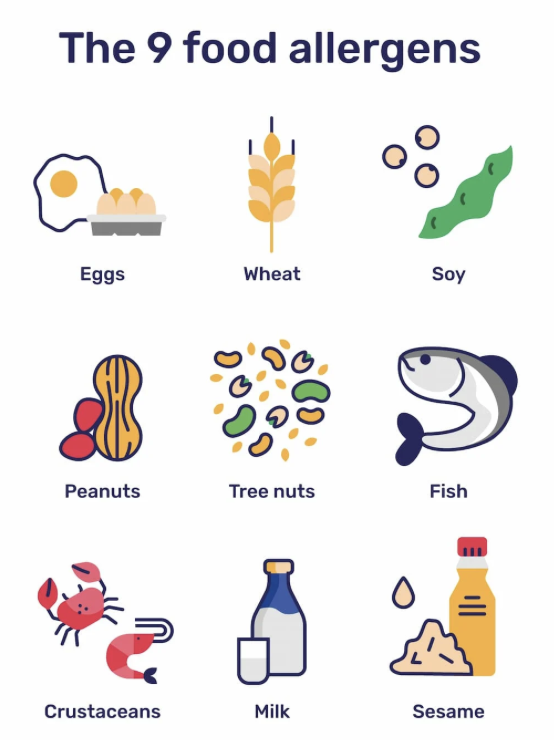
The way allergens are listed in the USA compared to other countries differ as in the U.S., the FDA requieres for the top 9 allergens to be clearly listed on food packages.
The top 9 are:
Milk
Eggs
Peanuts
Tree nuts (like almonds, walnuts, cashews)
Fish
Shellfish/Crustaceans
Wheat
Soy
Sesame
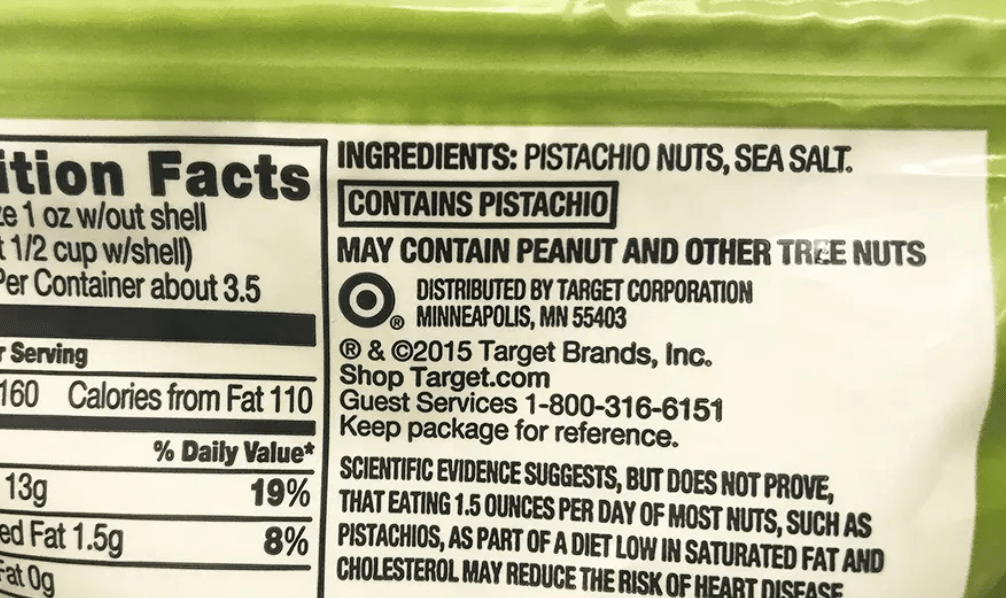
These 9 allergens must be listed in the ingredients list or stated in a contains or may contains section below the ingredients list. Heres an example in a picture.
Ingredients: Pistachio Nuts, Sea Salt Contains: Pistachio May Contain: Peanut and other tree nuts
2. May Contain vs. Processed in a Facility For those with food allergies like me, one of the most confusing things on labels are the voluntary food warnings.
May contain peanuts means that the product might have trace amounts due to shared equipment. Processed in a facility also means that there’s a risk of cross-contact, but usually less direct than may contain. However, these warnings aren not regulated the same way that Contains statements are. Companies aren’t required to include them, and there’s no standard way to phrase them.
The bottom line when dealing with these food labels is that if you’re unsure or the allergy is very severe, to just fully avoid it or contact the brand.
3. Know that food label rules aren’t always the same in other countries Another thing to know about food allergies is that if you’re traveling or buying imported foods, do not assume that the same rules apply.
For example, the UK and EU require labeling for 14 allergens, including celery and mustard, Canada has different wording, and sesame wasn’t always required until recently. Also, some countries have no labeling rules at all! So, if you’re traveling, it’s smart to carry food allergy translation cards and always properly communicate with the chef and server (more on that in another post!)
So, remember, before buying or eating something, ask yourself:
Is my allergen listed directly?
Is there a “may contain” or cross-contact warning?
Do I need to call the company to double-check?
Is this from a country with different labeling laws?
All in all, with the proper knowledge, skills, and tools, when reading food packaging labels, there is nothing to worry about! Reading labels is not just a habit, it’s a life skill when you live with food allergies. Once you get used to it, you’ll start spotting red flags instantly. It may feel overwhelming at first, but you will learn what to trust, when to ask, and how to stay safe without missing out!!
Since 2024, about 5.6 million teenagers have jobs, with restaurants being the largest employer. For teens with food allergies however, this can be a real challenge. Places like ice cream shops and bakeries may seem like the dream job, as for example, to me and many others, scooping up ice cream sounds way more fun than folding clothes or delivering newspapers. However, initially for those with food allergies these ice cream jobs may not seem to be the best.
There are so many flavors containing nuts such as rocky road, peanut butter cup, pistachio, and butter pecan just to name a few. Plus, with toppings like almonds, wet walnuts, pistachios, and much more. Often, even nut-free flavors share surfaces, scoops, or storage with nut-containing ones, as a result raising the risk of cross-contact.
According to the International Dairy Foods Association, only 23% of consumers said they don’t add nuts to their ice cream, meaning that most orders involve some kind of nut topping or nutmix-in. For workers with allergies, this can be anxiety-inducing.
But this shouldn’t stop you. You CAN work safely in food service with a nut allergy. It’s all about awareness, preparation, having the proper skills, and building the confidence to speak up. Here are some tips that have helped me and others feel safer on the job.
Be open and upfront from the start
Tell your manager about your allergy before your first day or even during the interview. It’s not being dramatic or embarrassing, it’s protecting your health. A good employer will want to keep you safe. Additionally this allergy can actually enhance your application making you stand out and be the best fit as this personal experience now allows you to perfectly cater to others with food allergies, making you an added strength, being the best candidate in these situations.
Ask about procedures.
Find out how the ice cream or food shop handles allergens. Are scoops shared between flavors? Are gloves changed often? Are toppings stored separately? These details matter and should be enhanced and implemented wherever you work helping any customers and you coming in with allergies.
Gloves
Gloves are your best friend. If you accidentally touch a nut topping or a contaminated scoop, remember that it is okay!! You just have to wash your hands and change gloves right away and you will be fine as no contact was even made between the allergen and you! Also, a good tip is to start the habit of changing gloves in between tasks, especially if you touch anything that was possibly contaminated with your certain allergen.
Ask to be assigned “nut-free” zones.
If your shop has different stations such as toppings, scooping, and the register, see if you can stick to areas that don’t deal with nuts. Plus, many employers are flexible with shift roles once they understand your allergy.
Wipe down surfaces
Bring your own cleaning wipes or use the shop’s to clean any shared surfaces with nuts. Tables, counters, scoops, and handles can carry any previous nut bacteria. So, a quick wipe can give you peace of mind as I know it would for me.
Tie your hair back and don’t touch your face.
This may be a good habit for food safety itself, but it is a personal allergy precaution too. By tying hair back and not touching your face, it also keeps allergens away from your eyes, mouth, or nose while working, thus reducing any potential contact.
Communicate with your coworkers.
Let your coworkers know about your allergy. That way, they will be extra careful around you and can help you if anything goes wrong. You also definitely don’t need to make a big deal out of it if you don’t want to, just a quick heads up can go a long way.
Carry an Epipen
Always have your epinephrine on you whether it be a generic EpiPen, Neffy, orAuvi-Q. However, not far away or completely out of reach such as in your car or in a locker across the building.
Take breaks when overwhelmed
Sometimes anxiety and not actually the allergy itself is the hardest part of having an allergy. I know that this is extremely true and the case many times than not for me. If you ever feel nervous or unsure and panicked, step away, take a break, breathe, maybe walk outside getting fresh air, and check in with yourself. It’s okay to pause and regroup.
Remember: You are NOT eating it, just handling it.
Most importantly, know that you are never actually ingesting the allergen. Exposure through touch isn’t the same as ingestion. Many people with nut allergies are fine being around nuts, as long as they don’t eat them.
All in all, having a nut allergy does NOT at all mean that you have to sit out from the job opportunities you’re excited about, especially fun, food-filled ones like ice cream shops or bakeries. It just means approaching the role with more awareness and confidence.
By leading with honesty, self-advocacy, and good habits in the workplace there is no reason you cannot thrive in a food service job even with a severe allergy.
I remember how nervous I was before my first shift on my first day. Gloves on, epi-pen in my pocket, and a million “what ifs” going through my head. But, once I started and got into a rhythm, it all felt manageable. The truth is, your allergy doesn’t make you unable or weak at your job, it makes you actually more able, more aware, more careful, and more empathetic which is a huge strength!!
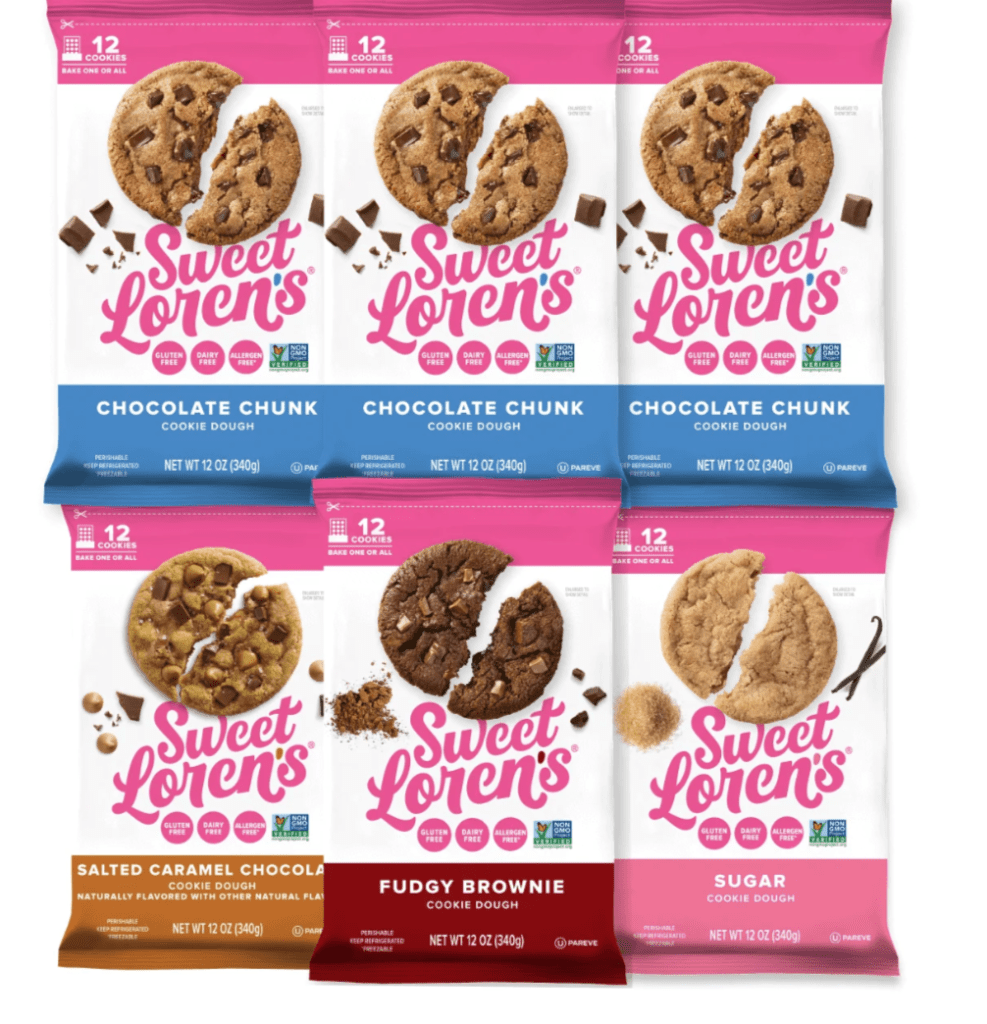
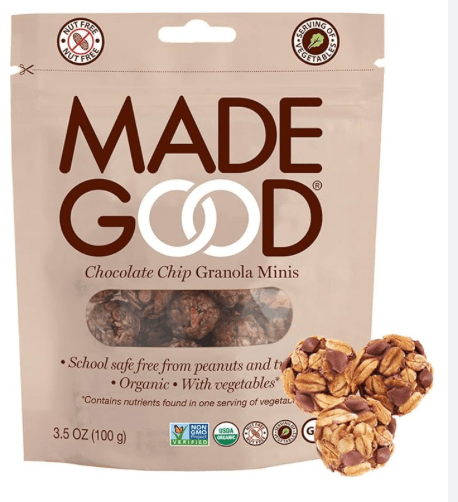
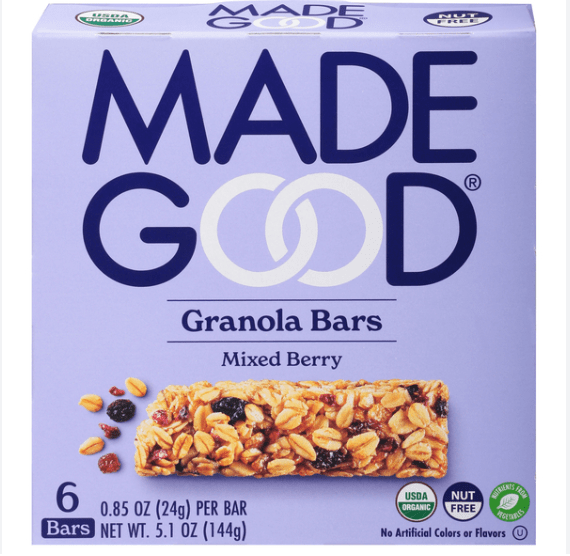
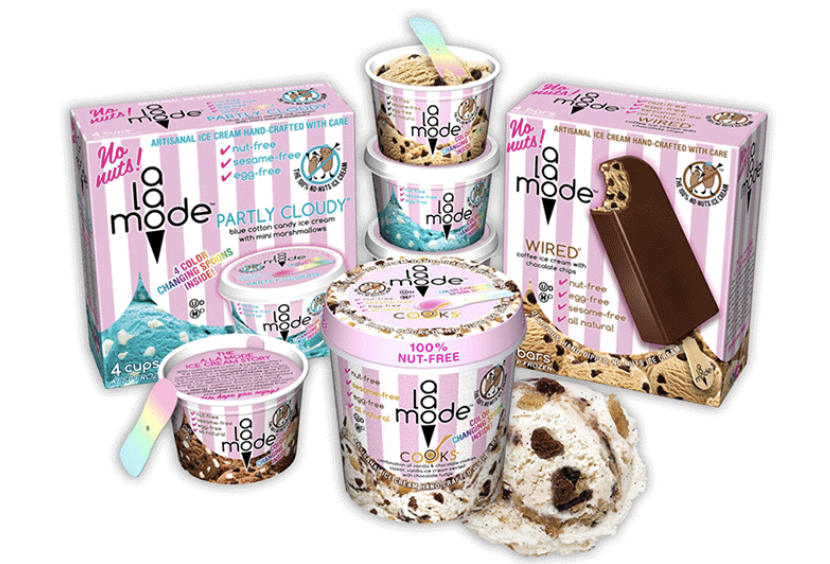
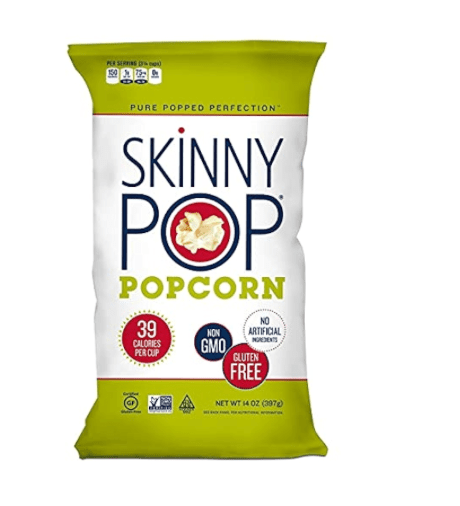
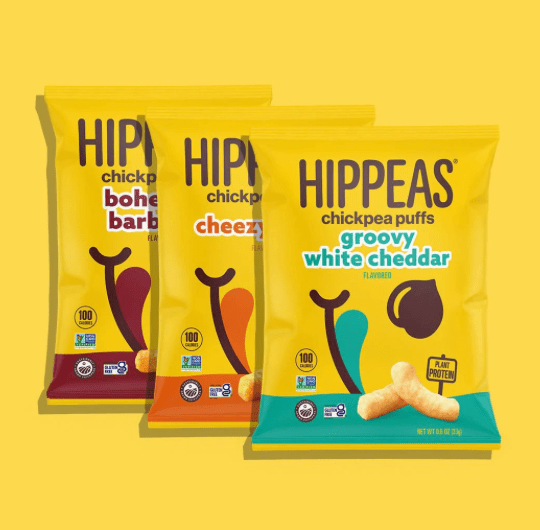
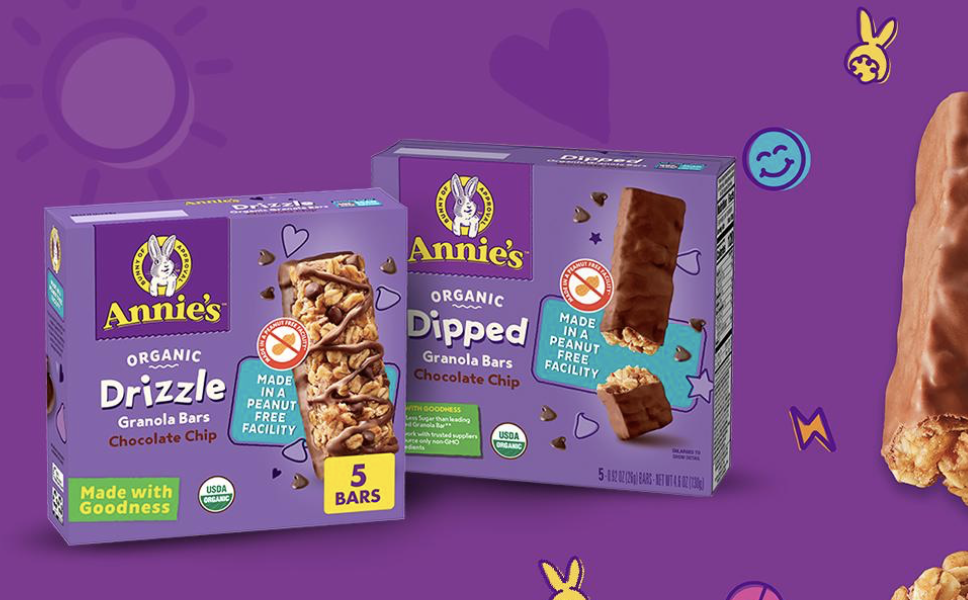
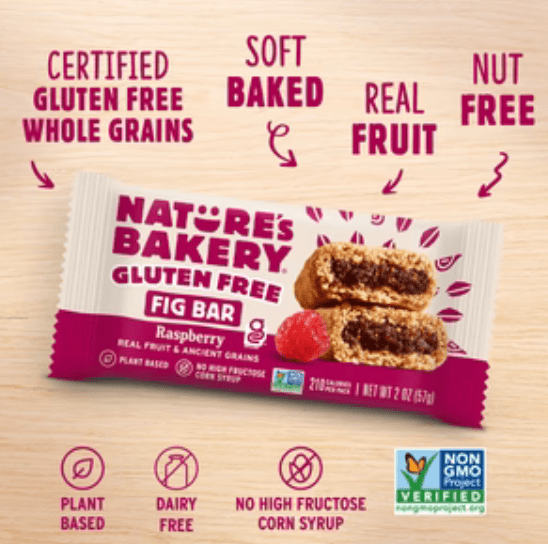
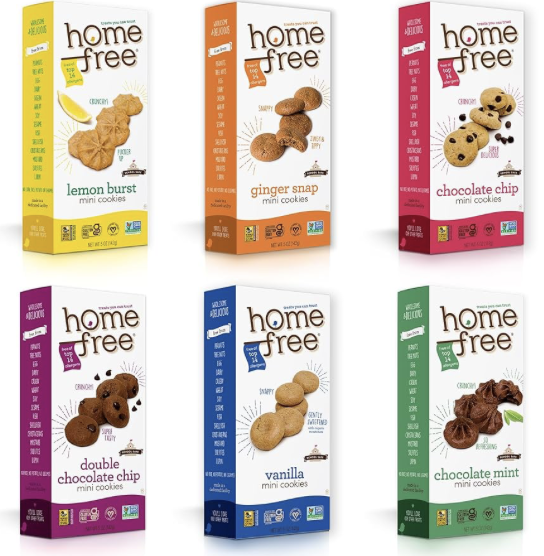
Anyone with an allergy knows just how difficult, at times, it can be to find good-tasting allergen-free snacks or desserts. Especially when it comes to finding a good filling protein/granola bar. This can make snack time tricky, but luckily, there are some amazing food brands that focus on creating tasty, safe options for those avoiding nuts. Whether you need school snacks, bars before a soccer game, or on-the-go bites, these nut-free favorites have got you covered!!
Baseball’s draw is not just for the sport, traditions, and players themselves. It’s amazing, crazy, and fun food serves as its own humongous attraction. Whether it be hot dogs, hamburgers, baseball cap nachos, huge soft pretzels, or ice cream in a baseball cap, it all sounds AMAZING!! Well, just until you sit down in your seats.
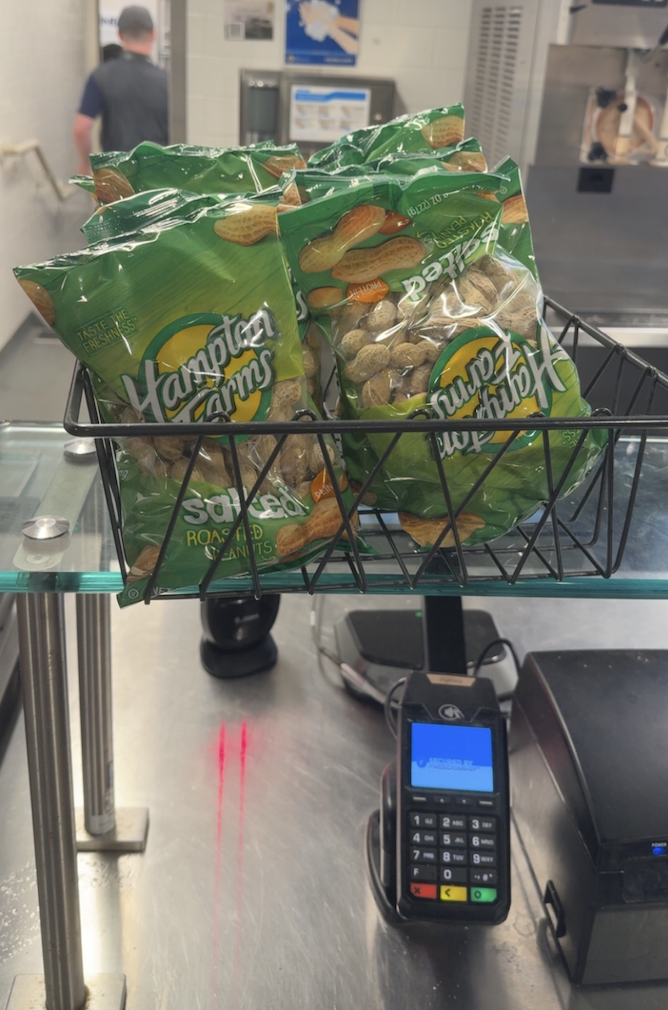
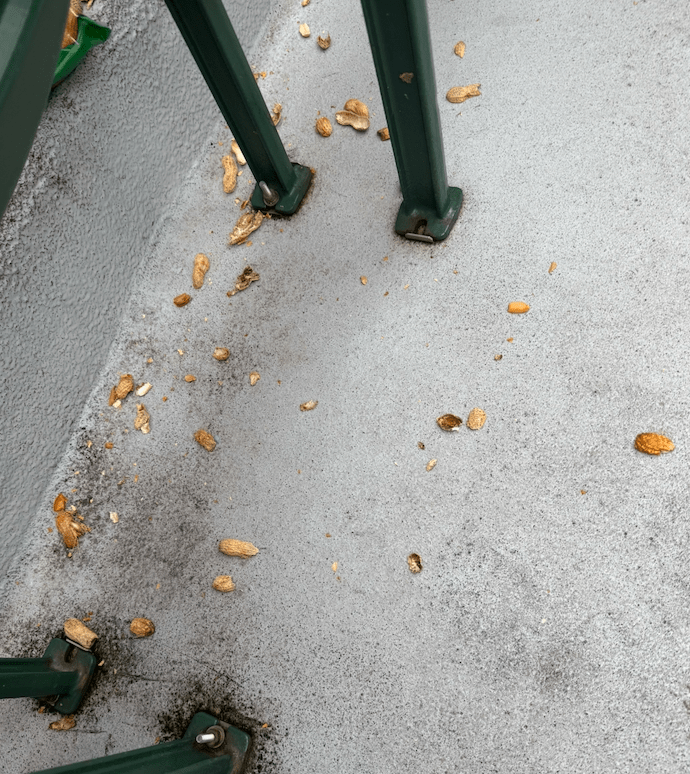
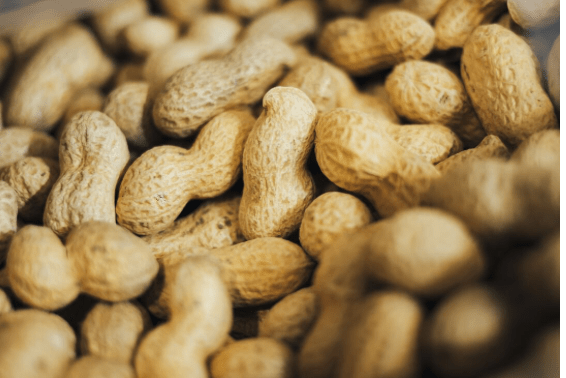
Those in rows ahead of you, behind you, to the right of you, and to the left of you are eating the infamous Cracker Jacks or bagged peanuts. You hear the workers running up and down the rows screaming, “Peanuts, Peanuts, come get your peanuts!!” All you hear is chewing, followed by a spit, with peanut shells being thrown down onto the floor. Every next step you take is then followed by a crack from the contact of your shoe and the peanut shell on the floor. You’re nervous that the guy behind you’s peanuts will fly into your food. “Whatever happened to sunflower seeds?” I thought to myself.
This idea of nonstop surroundings of peanuts freaked me out. And I know I’m not alone. But as someone who absolutely loves sports and is a huge fan of all the New York sports teams (Jets, Islanders, Mets, and Knicks to be exact), this was not at all going to stop me from enjoying myself and attending these games. I was not going to let the peanuts win.
I ended up discovering some tips and tricks I use in my baseball attending experiences that make all the difference in me feeling safer and comfortable, allowing me to fully experience the tradition, joy, and fun experiences that come with attending an MLB game.
Wipe your seat down
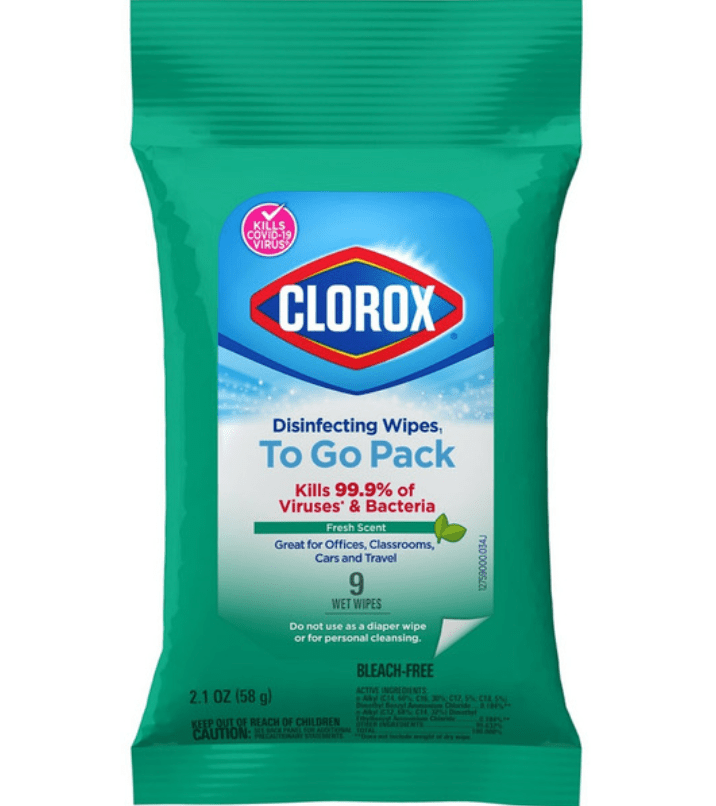
In a typical MLB baseball stadium, there are over 41,000 seats to choose from. I find it easy to just bring a small pack of Clorox wipes to make sure my seat is peanut-bacteria free from anyone previously sitting in my seat. This not only decreases peanut contact around me but makes me feel more comfortable, and increases my ability to actually enjoy the game.
2. Sit at the end of the row to minimize peanut contact
Whether it be sitting at the school lunch table, dinner table, or on an airplane, sitting on the end of that row or table only allows you to sit directly next to one person. Thus, totally decreasing your chances of being sat next to someone eating nuts by half!! Especially if you attend the game with someone you know and you sit on the end with them, your chances of coming into direct contact with a peanut then completely decrease and allows for more comfort to be felt throughout the entire game with a peanut allergy.
3. Find Peanut-Safe areas
Believe it or not, many professional MLB teams, such as the Los Angeles Dodgers and Boston Red Sox, offer certain games with designated seating and “peanut allergy friendly nights” where peanut products will not be served in a certain area of the Club Level for that game. This is an amazing option and a step towards the right direction for those with severe peanut allergies and makes a difference in so many lives as it offers another layer of comfort and safety, allowing for no worry of possible peanut contamination and an amazing option to enjoy this peanut-free baseball game as much as you can!!
4. Breathing exersices
While yes, being at a baseball game filled and surrounded by peanuts can be overwhelming, you just have to remind yourself that it is okay, and that you too will also be okay. A typical baseball stadium covers 1.2 million square feet, and it is composed of open air already minimizing and decreasing peanut exposure. Additionally, using anxiety-decreasing breathing exercises such as deep breathing and nostril breathing helps decrease any anxiety present and will allow you to feel more comfortable and actually enjoy the game
So the next time you find yourself sandwiched in a seat at a baseball game watching the New York Mets take on the New York Yankees in the traditional, highly-anticipated Subway Series at Citi Field, seeing peanut shells on the floor, remember that it is okay!! You will be completely fine and just enjoy yourself. Make sure to purchase allergy-safe food without nuts, such as ice cream or a hamburger, and enjoy the game just as one would peanut allergy or not.
And as always, remember, take me out to the ball game!!!
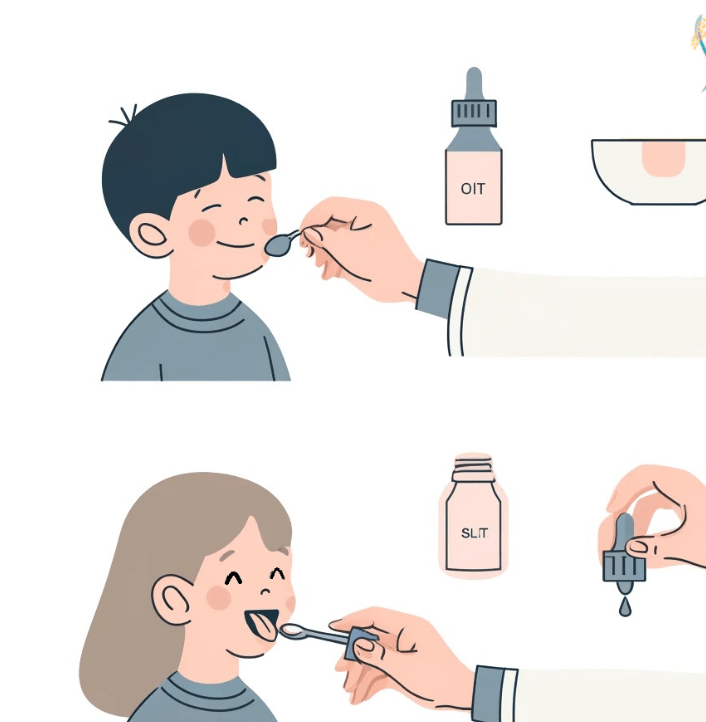
Over the past 10 years, very significant advances have been made in the field of food allergies and immunotherapy. Mainly with efforts focusing on allergen exposure orally. Oral immunotherapy (OIT) and Sublingual immunotherapy (SLIT) are the two treatments that have been most intensely studied and approved recently.
Immunotherapy is done through ingesting, at first, very small amounts of allergenic proteins over a period of time, then gradually increasing in a doctor’s setting, to develop desensitization and eventual tolerance to the protein and allergen. Many studies have looked at the use of OIT in milk, peanut, and egg allergies. Immunotherapy teaches the body to not react to problematic allergens.
OIT
OIT works by carefully introducing increasing doses of a food allergen to a patient under medical supervision. Peanut, egg, and milk OIT have been shown to desensitize approximately 60 to 80% of patients studied. There are still many unknowns about OIT. The only truly accurate way to predict if someone will have a reaction to the allergen is through ingestion. OIT or SLIT should never be attempted without clinical supervision. The ultimate goal of OIT is to be able to offer the patient protection from anaphylaxis by allowing them to ingest a full serving of the allergen without any reaction. However, this newfound desensitization can be lost if the allergen is not consumed on a consistent basis. OIT is also more restrictive compared to SLIT with no exercise allowed at least 1 hour after the allergen protein was ingested.
SLIT
SLIT uses a different but somewhat similar approach. Instead of swallowing the allergen, patients place it under the tongue, hold for a minute, then swallow. This method uses much smaller doses than OIT but still allows for the immune system to build tolerance. SLIT is considered safer and more convenient, with fewer severe reactions reported during treatment. SLIT also allows for complete flexibility when it comes to exercise, and not many restrictions.
While SLIT may not desensitize one’s allergies completely or as quick as OIT, many patients still experience great strides in their allergy-free journeys with these two options. For some, it could act as a security blanket and be peace of mind when it comes to accidental trace exposures. And, for others, it might be a stepping stone to potentially engaging in OIT in the future. The great news is the future is bright, especially when it comes to innovation within allergy advancements!!