
About Me!

Hi! My name is Rachel Rothstein, and living with a nut allergy has added significant challenges in my daily life, especially when it comes to reading food labels and ensuring safety. I have often found ingredient lists to be confusing or unclear, making it difficult to make choices. I created Behind the Label to empower others with food allergies by sharing my personal journey, providing reliable information, and offering allergy-friendly recipes to assist others facing similar challenges. Thanks for visiting my blog!

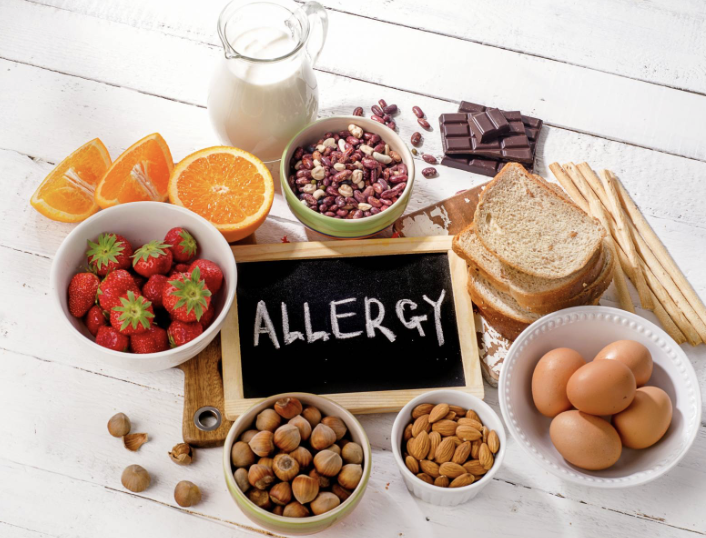
  • When you live with a nut allergy, you quickly learn that this danger doesn’t just come from obvious foods like peanut butter cookies, granola, or trail mix. In reality, some of the trickiest risks to identify hide where you least expect them. That’s why in this post, I will be going over a list of many products that you would never expect to fly under the radar, having possible nut-allergen exposure.

    1. Shampoo and moisturizers
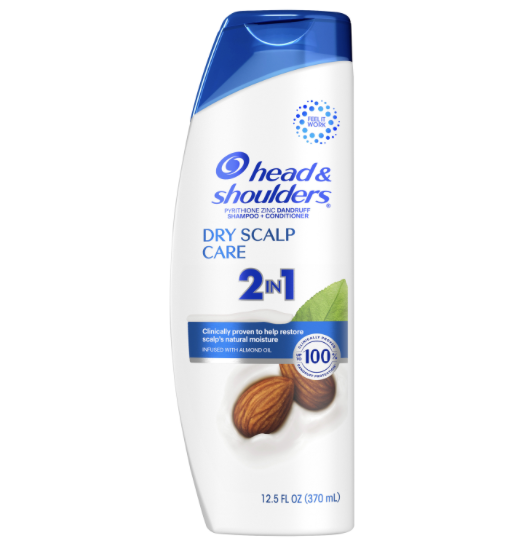
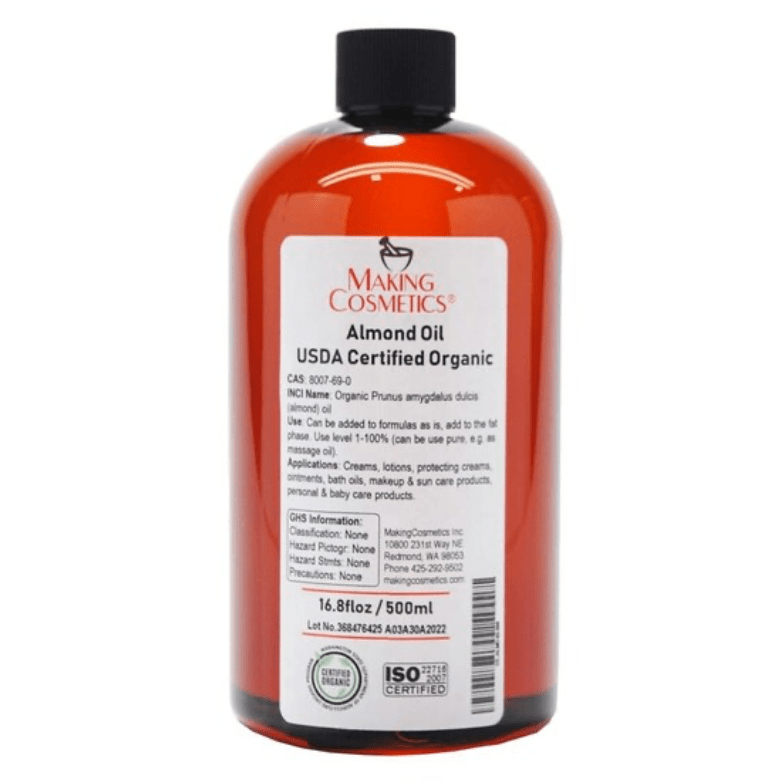
    That moisturizer, face scrub, or shampoo might seem harmless, but ingredients like almond oil, shea butter, or “nut-derived extracts” can be hidden sources of allergens inside these products. Even if you don’t ingest them, accidental contact with your mouth or eyes can trigger a reaction. Always check ingredient lists, especially when going to nail salons for manicures and pedicures, the hair salon before a haircut, when they wash your hair, and places such as facials with all the many specific moisturizing products used.

    2. Protein Powders and Supplements
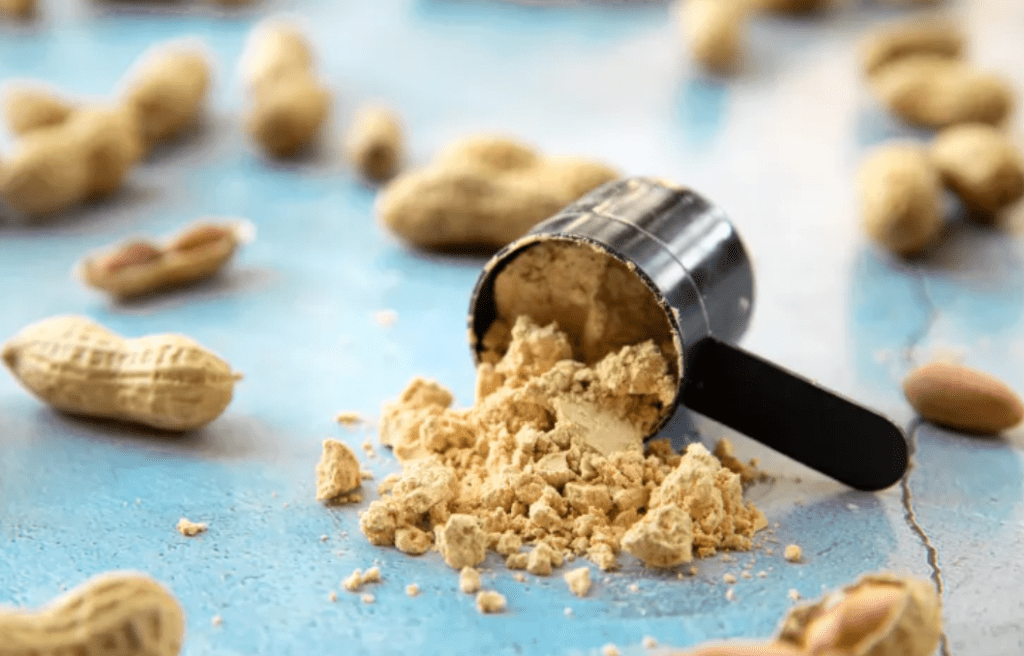

    Many “healthy” powders contain almond flour, cashew butter, or “natural flavorings” that are actually derived from nuts. Labels often disguise these in vague terms. That’s why if you’re allergic, it’s crucial to double check brands, research sources, and choose protein powders that are labeled definitely nut-free so there are no potential risks or gray areas.

    3. Flavored Coffees and Creamers
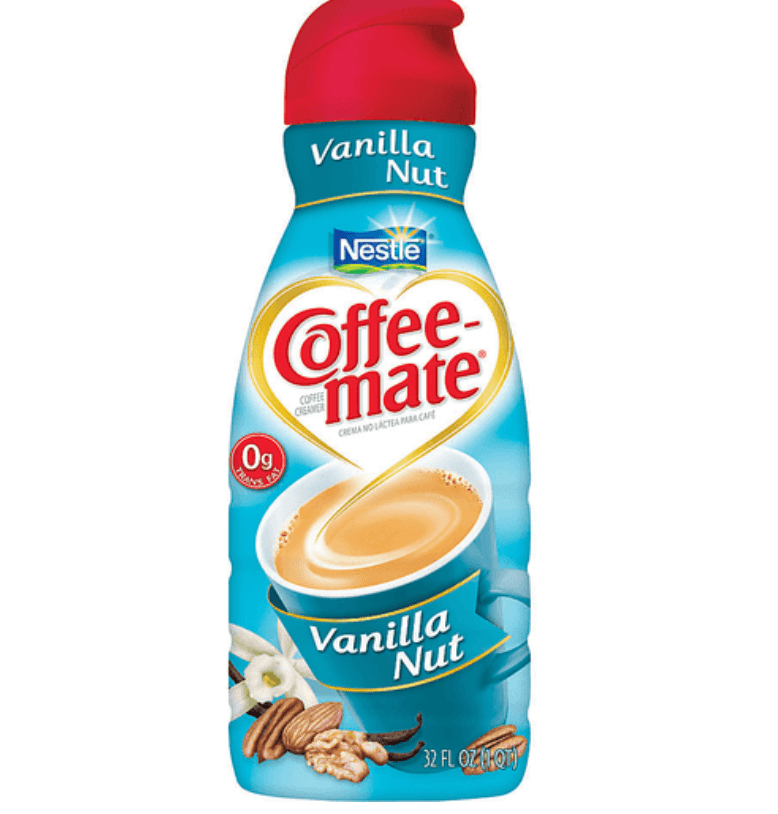
    Walking into Target or any grocery store, the opportunities to spice up that black cup of coffee are endless. Whether it be caramel almond, hazelnut, Reese’s peanut butter cup, or macadamia-flavored creamer. As a result of this fun, flavor filled opportunity, many small local coffee shops, and even commercialized ones such as Starbucks, utilize these different flavored drink options. However, these syrups and creamers may subtly contain nut extracts or be processed on shared equipment with nuts that you wouldn’t have even thought of. Even whipped toppings and “caramel” syrups can contain hidden nut proteins. That is why it is crucial to be conscious and aware of the possible hidden ingredients when dealing with allergies.

    4. Pre Packaged “health” snacks
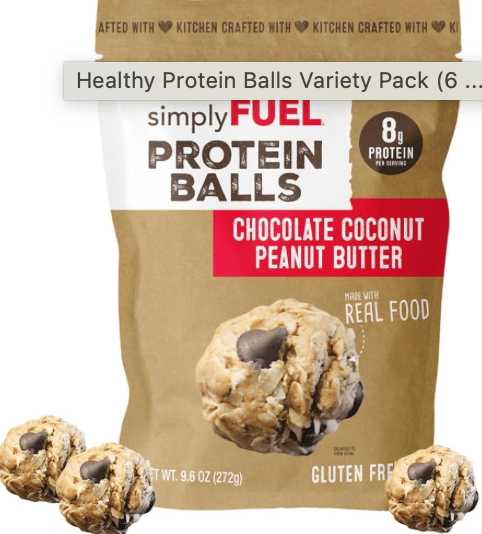
    Foods such as healthier, oil-free seed bars, granola clusters, protein bites, and trail mixes usually tend to include nut flours or are made on shared lines with these products. Peanut butter is substituted with oil, cashew milk is substituted with regular dairy milk, and almond flour is substituted for the carb-filled all-purpose flour. These subtle changes without knowing can lead to detrimental reactions, which is why it is imperative to always scan for “may contain nuts” warnings, read behind the fine print, and read every single word, even if the main ingredient list seems safe.

    5. Perfumes and Fragrances
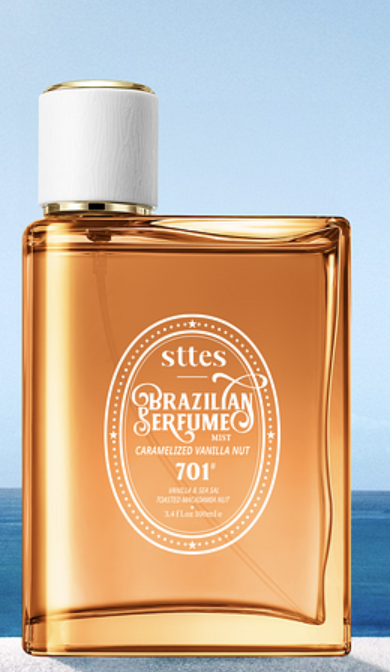
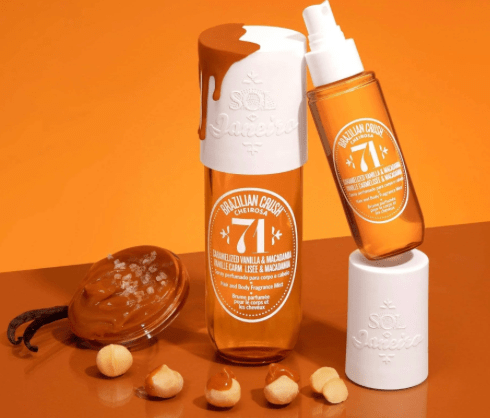
    Many perfumes, such as the popularized Sol de Janerio at Sephora, actually use nut oils as their base, especially almond or macadamia oils. While some people assume smelling a perfume is safe as there are no ingestion, oils can still transfer to your skin or accidentally reach your lips or hands, creating a risk, thus proving an important point to always be aware of perfume products such as these..

    6. Makeup

    Many popular lipsticks, blushes, and bronzer powders actually contain nut oils or butters like almond, shea, or macadamia. Also, even if the ingredient list doesn’t explicitly say “almond oil,” terms like Prunus amygdalus (sweet almond) can sneak in. So, applying products near your mouth, eyes, or hands can lead to accidental exposure.

    Additionally, within large makeup stores such as Sephora and Ulta Beauty, open testers are widely used to test potential purchases. However, these are also a huge allergen cross-contact hazard. This is because even if a product is technically nut-free, it can be contaminated with an allergen if multiple people touch it, or if it’s been handled near products containing nuts. That’s why for those with severe allergies, avoiding testers or bringing your own sealed products is always the safest bet.
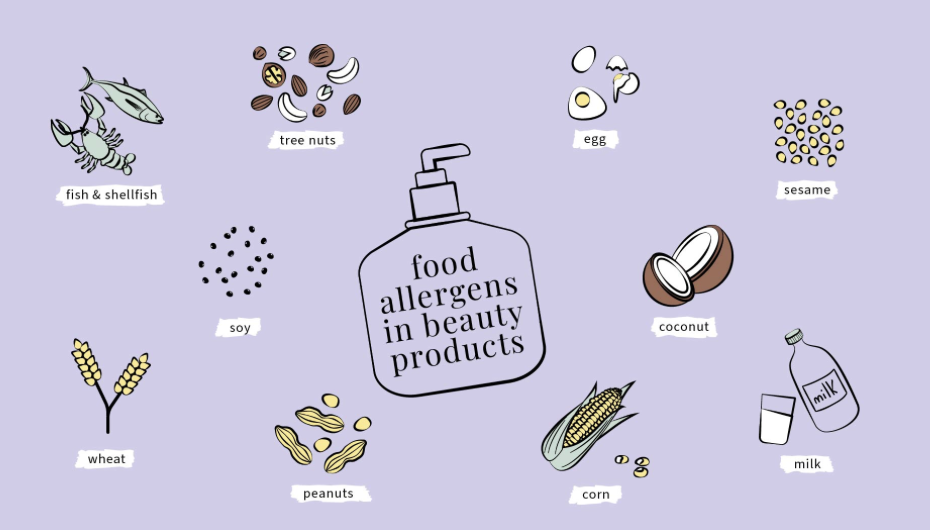
    Ultimately, allergens, especially such as nuts, hide in more places than you’d expect. Labels are your first line of defense, but awareness is another crucial part. Reading every ingredient, researching brands, and asking questions can make the difference between a safe snack and a dangerous reaction. Remember, living with a nut allergy isn’t about fear, it’s about understanding the hidden risks in certain situations and navigating the world with confidence.

    You got this!!!

  • Food allergies aren’t just about reading labels or avoiding certain foods, they come with an emotional side that people don’t always see. The fear, the embarrassment, the frustration, and the constant awareness of every environment, it’s a lot. Plus, even when you’ve lived with allergies for years, the emotional burden allergies have can still creep up and surprise you.
    Here are a few reminders and things I personally have felt, so you don’t feel alone and have tips on how to handle the emotions felt while dealing with a food allergy.

    1. Know that it is okay to feel scared
    There is nothing weak about fear when you’re dealing with something that can genuinely harm you. Whether it be the nerves before eating at a restaurant, the anxiety of trusting someone else to prepare your food, or the huge discomfort felt when people don’t take your allergy seriously, all of it is understandable, real, and warranted. Ultimately, this fear doesn’t mean you’re incapable and weak; it means you care about your safety, and that’s something to respect, not to be judged or ashamed of.

    2. Remind yourself of what you can do
    It’s easy to focus on all the foods you can’t eat or all the situations you avoid. But allergies don’t define the boundaries of your life unless you let them. For example, you can think about everything you are still able to do with allergies, such as hanging out with friends, traveling, and celebrating holidays. The truth is that yes, food is part of life, but it’s not the whole thing, and your allergy might shape your choices, but it doesn’t get to steal and limit your experiences.

    3. Don’t go through everything alone
    Allergies can feel isolating, especially when the people around you don’t fully understand the emotional pressure you’re under. But you don’t have to carry it alone. Make sure to talk to a close friend, a parent, or another person with allergies, as just sharing how you feel can make everything lighter.

    Ultimately, living with food allergies is emotionally challenging, but it also makes you more resilient, aware, and incredibly strong!! You got this!!

    1. Let’s be honest, so many classic pies are a major no for people with nut allergies.
      Pecan pie? Nope.
      Walnut pie? Nope.
      Even chocolate pies at bakeries often sneak in almond flour crusts, cross-contact, or “may contain” warnings.
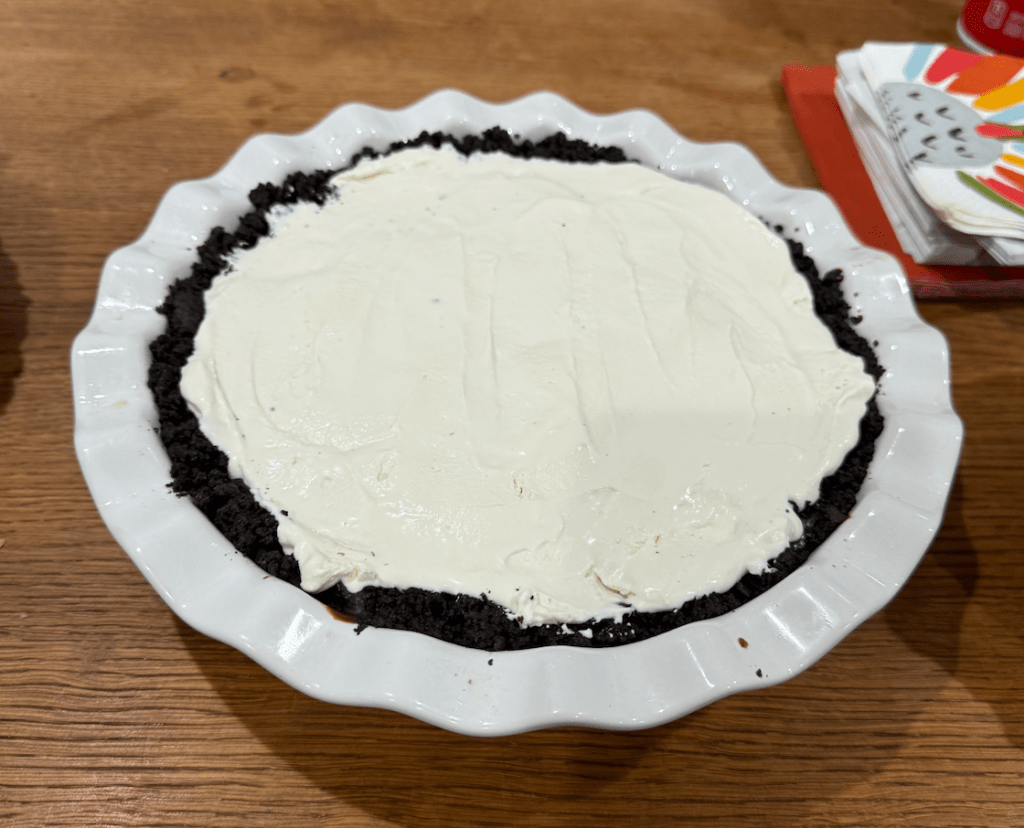
      So, instead of stressing at the dessert table or skipping pie altogether, here’s a recipe that gives you everything you want, a rich chocolate, silky filling, crunchy Oreo crust, and fluffy whipped topping, with zero nuts and zero fear!!

      Ingredients:

      • 24 oreos
      • 5 tablespoons of unsalted butter
      • 3 eggs
      • 1/2 cup sugar
      • 1 cup whole milk
      • 1 cup heavy cream
      • 400 grams semi-sweet chocolate
      • 1 teaspoon of vanilla extract
      • 1/4 teaspoon of salt
      • 1 cup heavy cream
      • 2 tablespoons of sugar
      • 1/2 teaspoon of vanilla extract

      Instructions:

      For the oreo crust:

      1. Preheat the oven to 350 degrees F
      2. Blend the oreos in a food processor until fine
      3. Mix the crushed Oreos with the butter that is melted until combined
      4. Press this oreo mixture firmly into a 9-inch pie dish

      For the chocolate filling:

      1. In a bowl whisk together the eggs, sugar, milk, and 1 cup of heavy cream untill smooth
      2. Place this bow; over a saucepan simmering with water creating a double boiler
      3. Whisk this mixture constantly untill reaches a temperature of 167 degrees F
      4. Immediately pour this hot milk mixture over the 400g of chocolate in a separate bowl
      5. Let the chocolate mixture sit for 2 minutes then whisk untill fully smooth and glossy
      6. Stir in the vanilla and salt
      7. Pour the chocolate mixture into the cooled oreo crust
      8. Cover the pie with plastic wrap and let sit overnight

      For the fluffy whipped cream topping:

      1. Whip the 1 cup of heavy cream, sugar, and vanilla untill soft peaks form.
      2. Spread the whip cream over the pie
      3. ENJOY!!!
    2. Living with allergies means learning a skill most people never even think about at such a young age, always being prepared. People sometimes may call it “being extra”, but to those with allergies, being “extra,” AKA prepared and having a backup plan, makes all the difference. So, here are some tips for a great allergy backup plan so that you can go anywhere without the constant what-if anxiety.

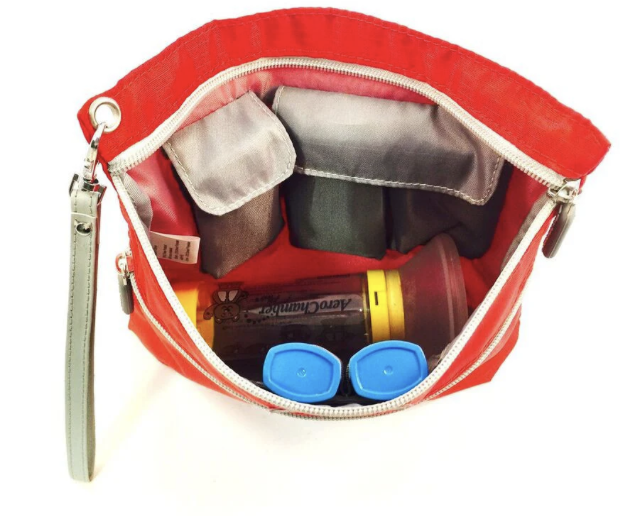
      1) Create an allergy bag
      This is the most important thing that makes every event instantly less stressful.
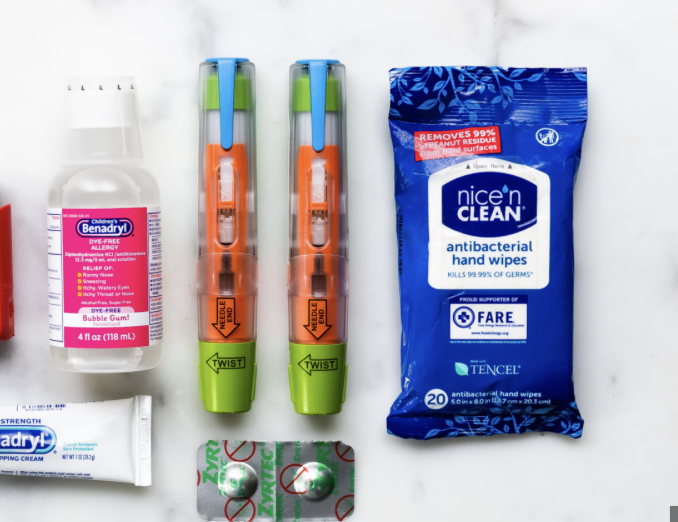
      This bag should include:
      – Two epinephrine auto-injectors
      – Antihistamines (such as Benadryl)
      – Wet wipes (for surfaces that previously touch potential allergen foods_
      – A safe snack
      – A small emergency info card
      – A mini hand sanitizer
      – A portable charger (in case phone dies, need to call 911, and allows for the ability to communicate with family members)
      Just make sure to put everything in a small bag or pouch, always keep it stocked, and never leave without it. Then, this alone will eliminate 50% of allergy-related stress (especially as I know it does for me.)

      2. Scout Out the Setting Before You Go
      Before any event, ask yourself:
      – Will there be food?
      – Is there a menu?
      – Is it a buffet or a personal plate situation?
      – Is there a safe area to eat or store your own food?
      – Who’s preparing the food?
      Ultimately, these questions provide so much peace of mind, and even a little info goes a long way for someone with allergies.

      3. Always Bring Your Own Safe Option
      The truth is that bringing your own food to restaurants or events as someone with allergies is not rude. It’s smart. You are not insulting the host or chef, you are protecting yourself and your body.
      A safe backup option could be:
      – A meal you made at home
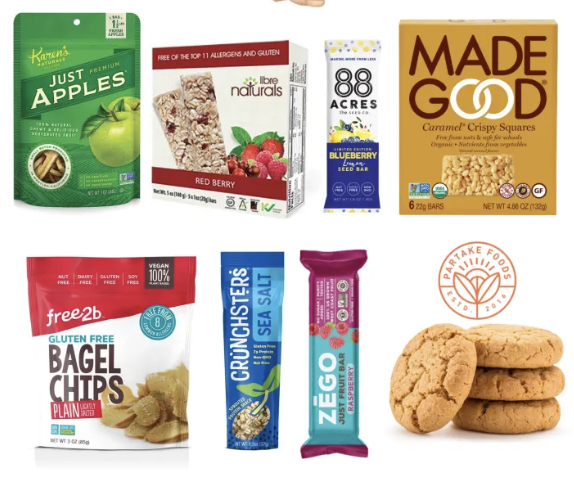
      – A prepackaged snack you trust
      – A takeout dish from a known safe restaurant
      Ultimately, when you know you have something safe to eat, you can relax and focus on the actual event instead of constantly stressing and following the food table like your a detective.

      4. Give Yourself an Exit Plan
      Before you go anywhere, make sure to know:
      – Where the door is
      – How you’d leave if something felt off
      – What you would say if you needed space
      Being prepared and a simple “I’m feeling a little off, I’m going to step out for a minute” works every time. This saves so much stress and allows for comfort to always be felt in anxiety-tense situations.

        The truth is that a backup plan isn’t about constant fear, it’s about peace of mind. With your essentials ready in your bag, you can go anywhere, eat anywhere, and be fully present. You’re not overthinking. You’re taking care of yourself. Remember to just follow these tips to help, and that you got this!!!!

      1. Accidental exposures are terrifying, but they’re also moments where preparation can take over when panic tries to which helps extremely. So, here’s a guide I wish I knew sooner on some of my tips on how to handle an unexpected allergic reaction:

        1. Pause and assess
          Don’t wait, but don’t spiral out of control. Try to notice symptoms such as throat tightening, skin itching, breathing troubles, dizziness, or stomach hives.
        2. Use your EpiPen early and not always as a last resort
          The biggest mistake people make is waiting. The truth is that Epinephrine is safe, however, delaying it is not and can lead to detrimental consequences instead.
        3. Tell someone immediately
          You MUST tell a friend, parent, teacher, or stranger, anyone. The reason is that you need another set of eyes and someone who can call 911.
        4. Call 911 ALWAYS, even if you feel better
          Symptoms can come back (known as biphasic allergic reactions) and paramedics always know what to look for, being professionally trained.
        5. Make sure to reflect and debrief later
          By writing down what caused the reaction, what you missed, what you need to change, and how you handled it can help for any future exposures and allow you to feel more prepared and comfortable, as everything turned out okay!

        Ultimately, these tips help the complex system of navigating food allergies, and by having these tips and plans, it can make navigating allergies easier!!

      2. Allergies are not always about the most obvious. The reality is that sometimes the most dangerous triggers are the ones nobody thinks about and the ones that hide. So here are 10 sneaky places allergens hide so you can watch out for them and stay prepared in the future!

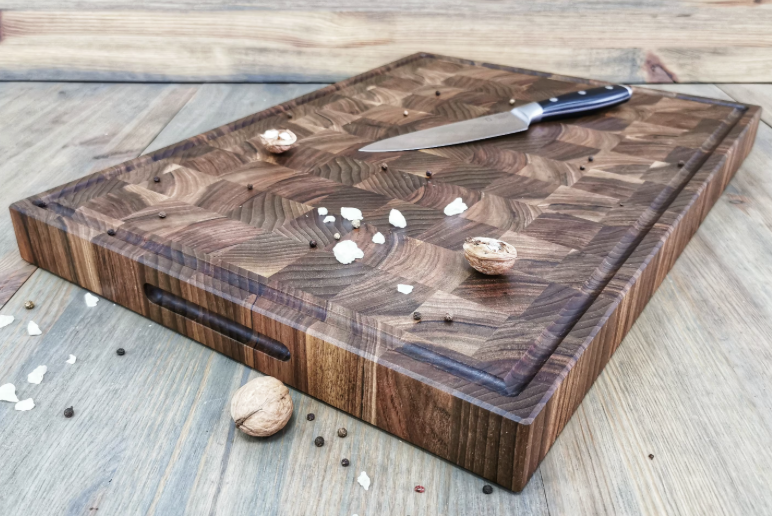
        1. Cutting boards
        Wood absorbs everything. That “clean” board may still have peanut proteins from last night’s peanut butter and jelly sandwich.

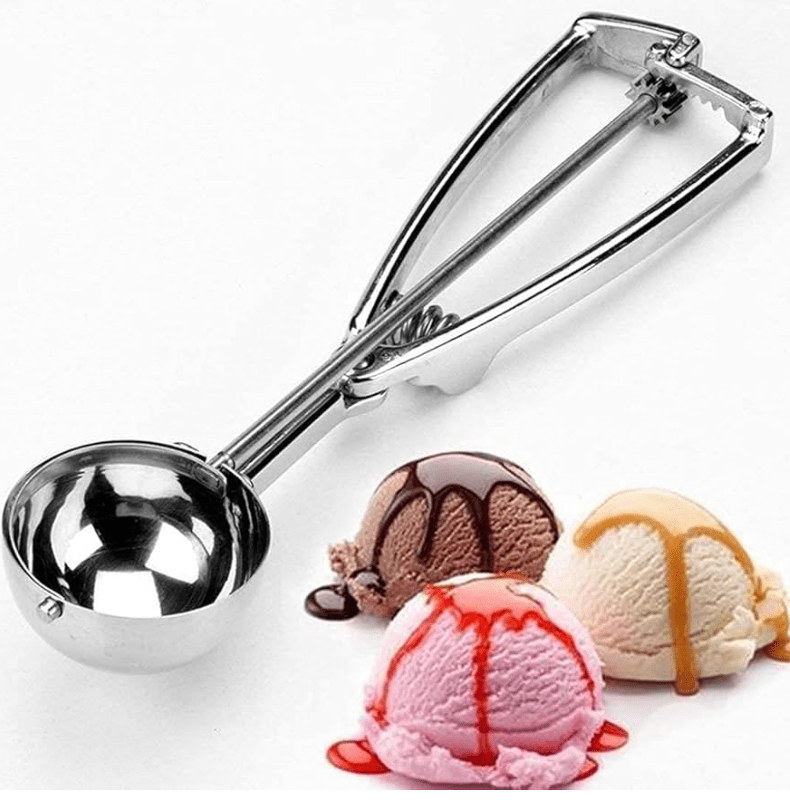
        2. Ice cream scoopers
        Even “vanilla only” scoops often dip into other flavors, such as “rocky road” during busy shifts.

        3. Store bakery counters
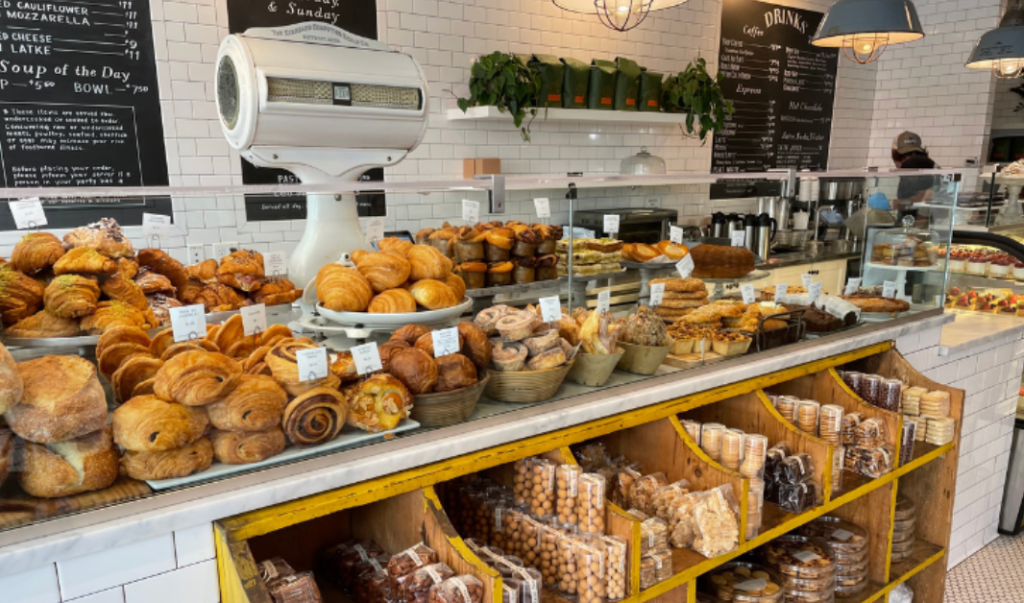
        Fresh pastries? Yes. Fresh contamination? Also yes. The almond croissant next to the supposedly “nut-free” regular croissant is not a good match on the counter.

        4. Makeup and lip gloss
        Many makeup products and lip gloss contain nut oils

        5. Smoothie shops
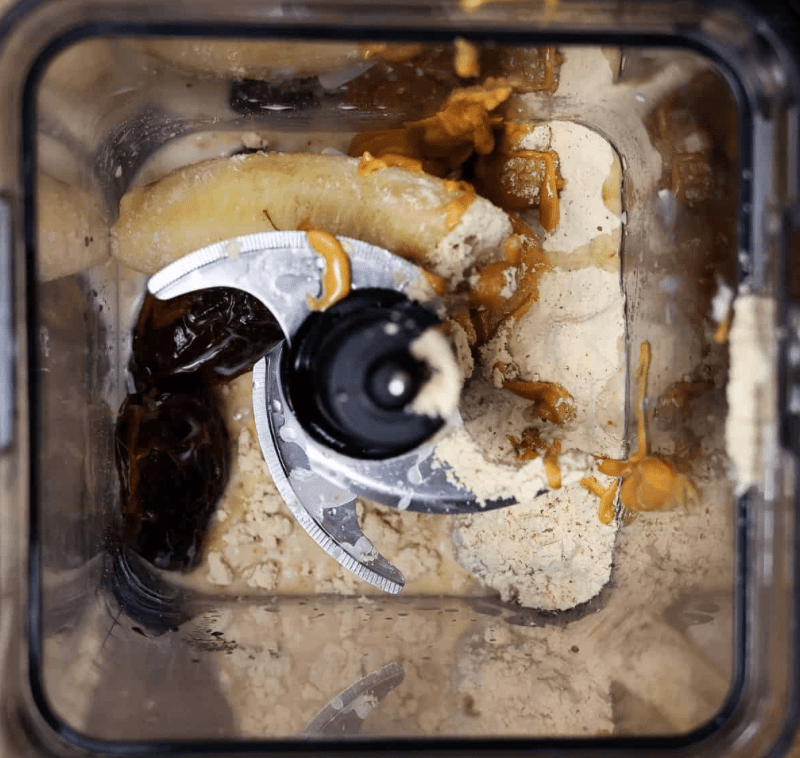
        Blenders are rarely cleaned between orders, instead just dipped in water if anything. Therefore, almond butter or peanut butter sits for hours, transferring between drinks, and is not a good match for those with nut allergies.

        6. Buffets and salad bars
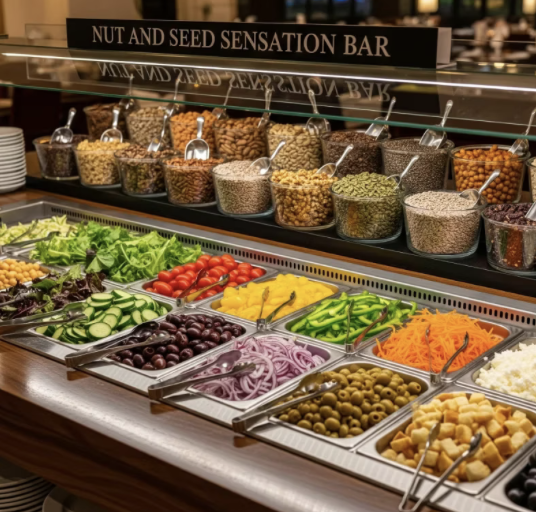
        This constant chaos and transferring of utensils between dishes is bound to create cross-contact between “nut-free” dishes and “nut-filled” dishes.

        7. Perfumes and Lotions
        Many perfumes and lotions contain nut products such as almond oil, and this is something to look out for.

        8. Airplanes
        Tray tables, seatbelts, and armrests have all been touched by who knows what and possibly nuts in the past.

        9. Protein bars
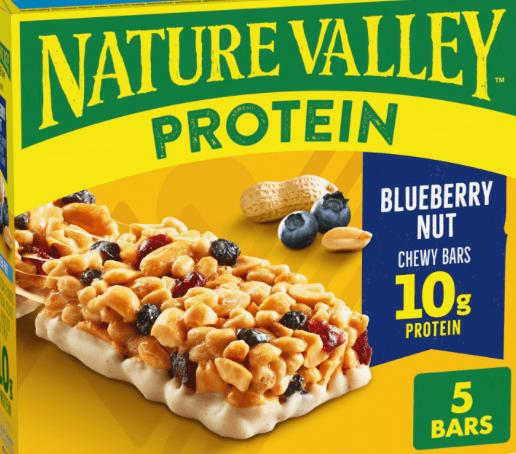
        Products such as nut blends, peanut protein, and almonds are common hidden allergens.

        10. Fryers
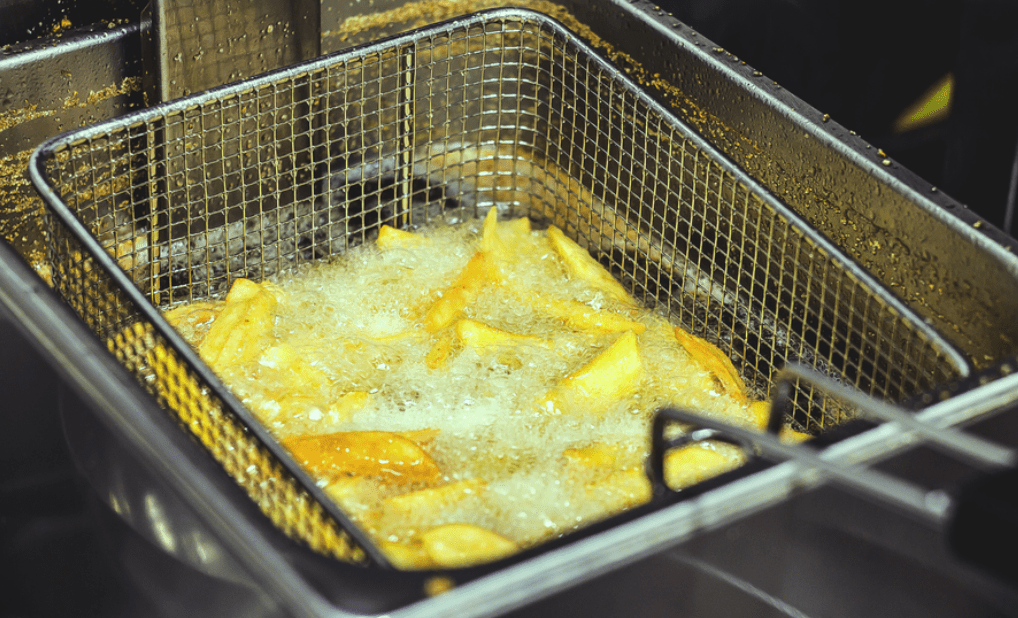
        Restaurants often fry everything in one shared space and fryer, creating lots of cross-contact as they don’t replace oil every time.

        By keeping these things in mind when dealing with nut allergies, there is nothing to worry about!!

      3. Amusement parks are all about fun. Whether it is the thrill of the rollercoaster rides, crazy games with humongous stuffed animal prizes, or insane-looking treats. But… for people with food allergies, this seemingly fun experience can be a trigger for anxiety. From fried Oreos to funnel cakes to the unfortunate fried Reese’s peanut butter cup, it feels like every snack has the potential to trigger a reaction, and that nothing is safe. Plus, the combination of long lines, excitement, and crowds can make it even more stressful just to find something safe to eat.
        However, there’s the good news: with some proper planning, you can enjoy the park safely. So many major theme parks, like Disney, Universal, and Six Flags, have staff trained in handling allergies and experience this all the time.

        Here are some great tips to keep in mind and utilize so you can enjoy the fun amusement park experience to the fullest potential!

        1. Check food options and menus in advance

        Most major theme parks like Disney and Universal have apps or websites that post allergen info online! This is so useful as you can plan meals way ahead of time of even stepping foot onto the park grounds, therefore adding a whole other level of comfort and safety so that you can just focus on enjoying your experience!

        2. Talk to the food staff at each food location:

        Don’t just assume a “safe” item is actually safe; remember, you always can and have the option to ask questions about preparation and cross-contact at restaurants. Never be afraid to use your voice to advocate!

        3. Bring your own snacks

        Even if the park has safe food options, having familiar, safe snacks reduces stress and can always cure hunger if any discomfort is ever felt with food at the theme park.

        Remember, having food allergies does not mean that you can’t enjoy the rides, games, or treats at an amusement park. With a little planning, clear communication, and safe snacks on hand, you can focus on having fun instead of the stress!!

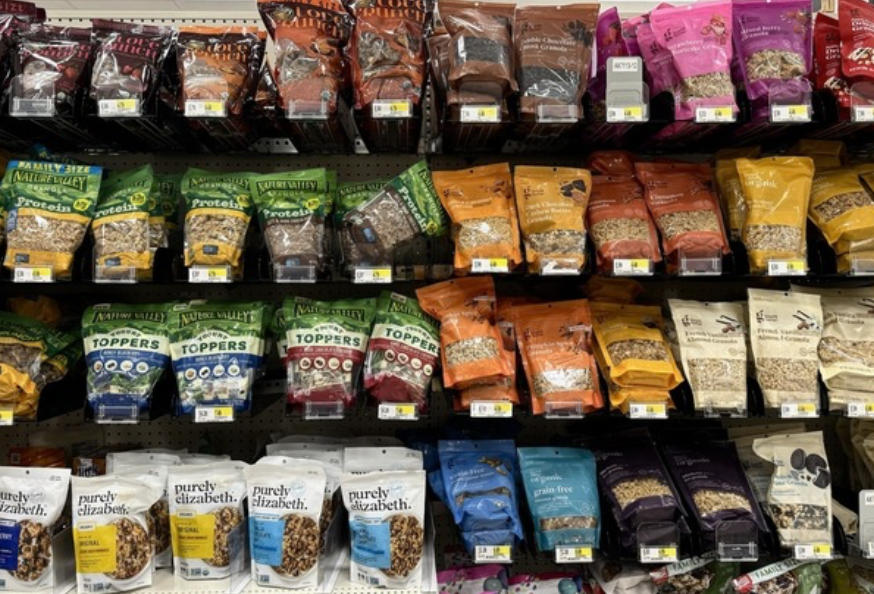
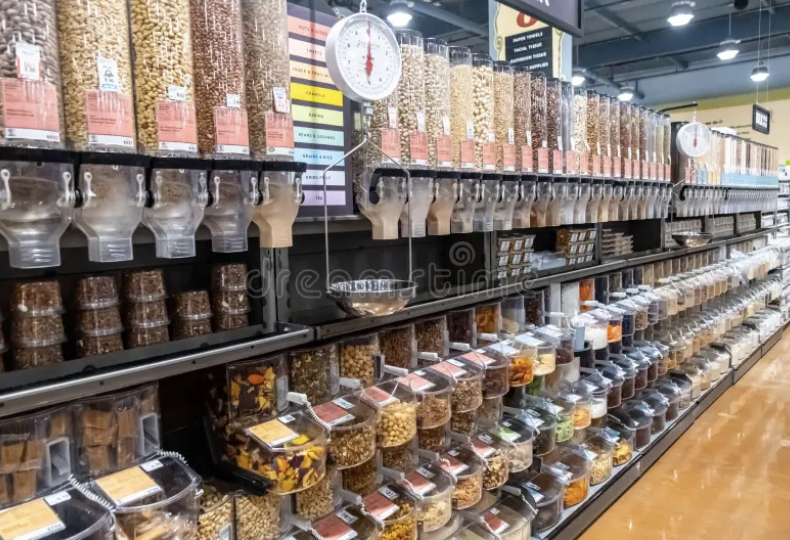
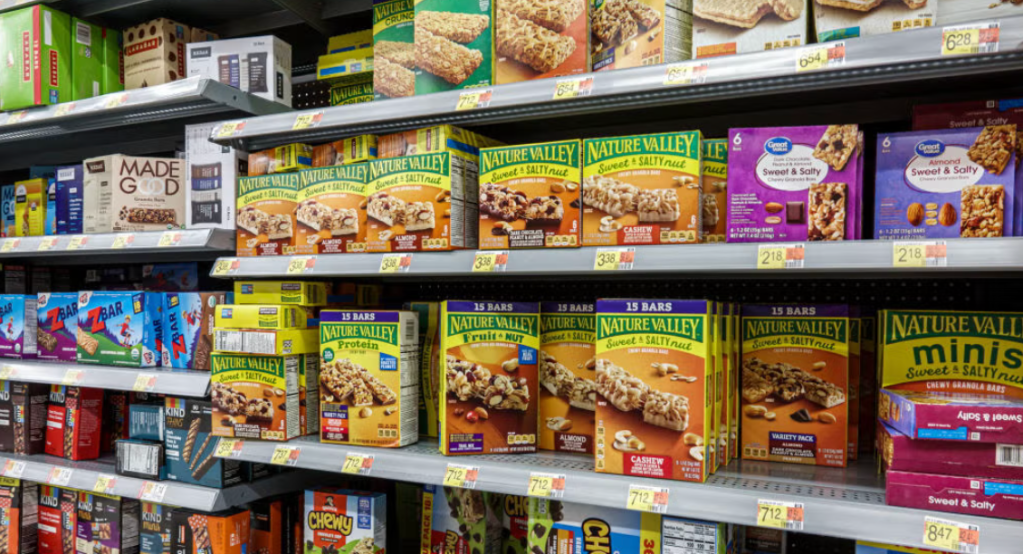
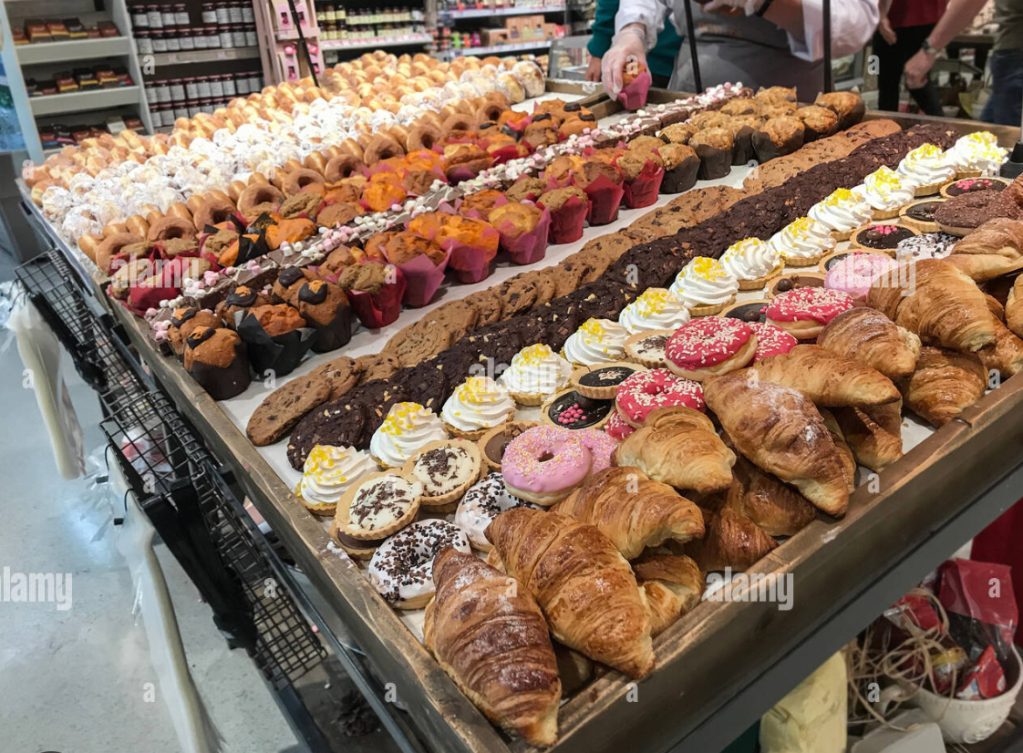
      4. For most people, a trip to the grocery store is simple. Pick what you need, throw it in the cart, check out, and go. But, for someone with a nut allergy, it’s a full-on mission, especially when you reach certain aisles. One aisle, in particular, always makes me pause… the snack and bakery section. Granola bars, trail mixes, pastries, and even seemingly “safe” health foods can be loaded with hidden nut risks. Here’s my analysis of these seemingly scary, danger-filled grocery aisles and some tips to combat these fears!

        Granola Bars and Trail Mix Aisle

        At first glance, these seemingly simple bars look safe. Just chewy, sweet, and full of seeds, oats, chocolate chips, and dried fruit. However, in about 95% of these bars on this aisle, they contain food labels that hide nuts in the fine print or through cross-contact warnings like “May contain almonds, cashews, or peanuts” or “produced in a facility that contains nuts,” making them completely uneatable for one with a nut allergy.

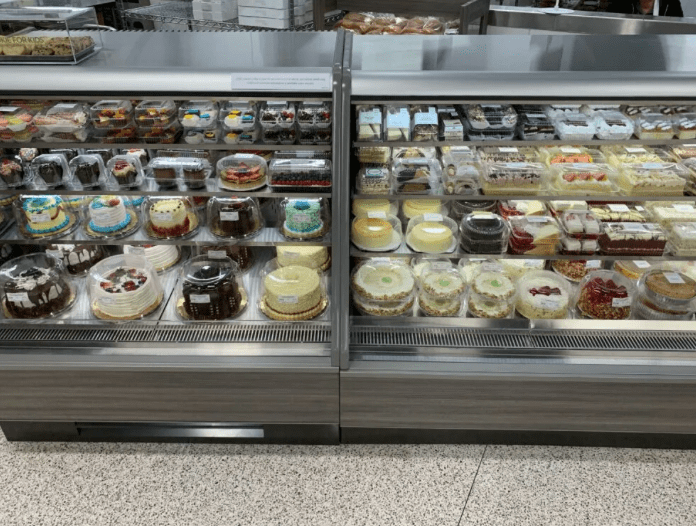
        Bakery Section

        When you have a nut allergy, foods such as cupcakes, muffins, and cookies are especially tricky. Even nut free recipes can become risky if they’re handled with the same utensils or equipment as nut-containing items. Plus, these open air displays and pastries sitting next to each other are bound to cross contact.

        However, do NOT let these few products in the bigger grocery store scare you. Let it empower you to become more aware and adaptive. Here are my tips to navigate this confusing space.

        Tips for navigating these aisles:


        1) Read everything carefully
        – Look beyond the first few ingredients of each food and read for that potential hidden fine print.

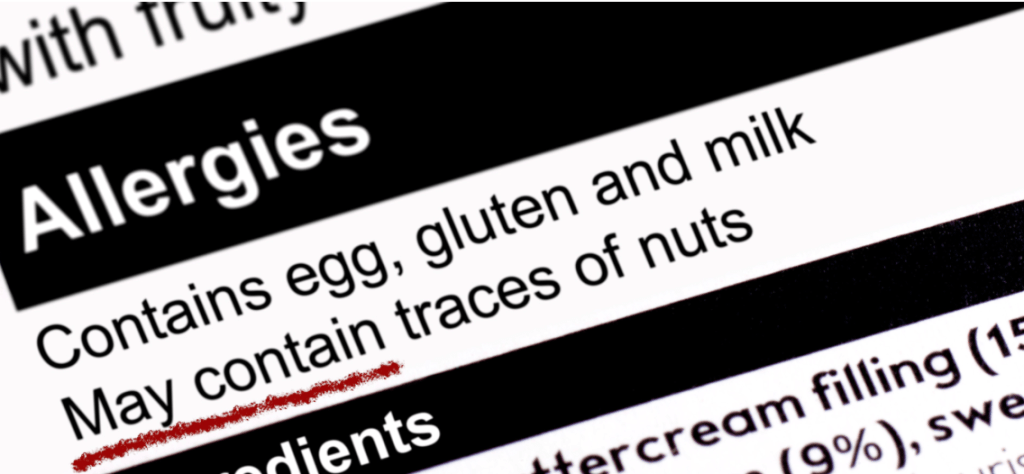
        2) Check for warnings – “May contain”, “Contains”, and “Processed in a facility” are potential red flags for allergen exposure, so make sure to pay attention and stay on the safe side of avoidance for these foods.

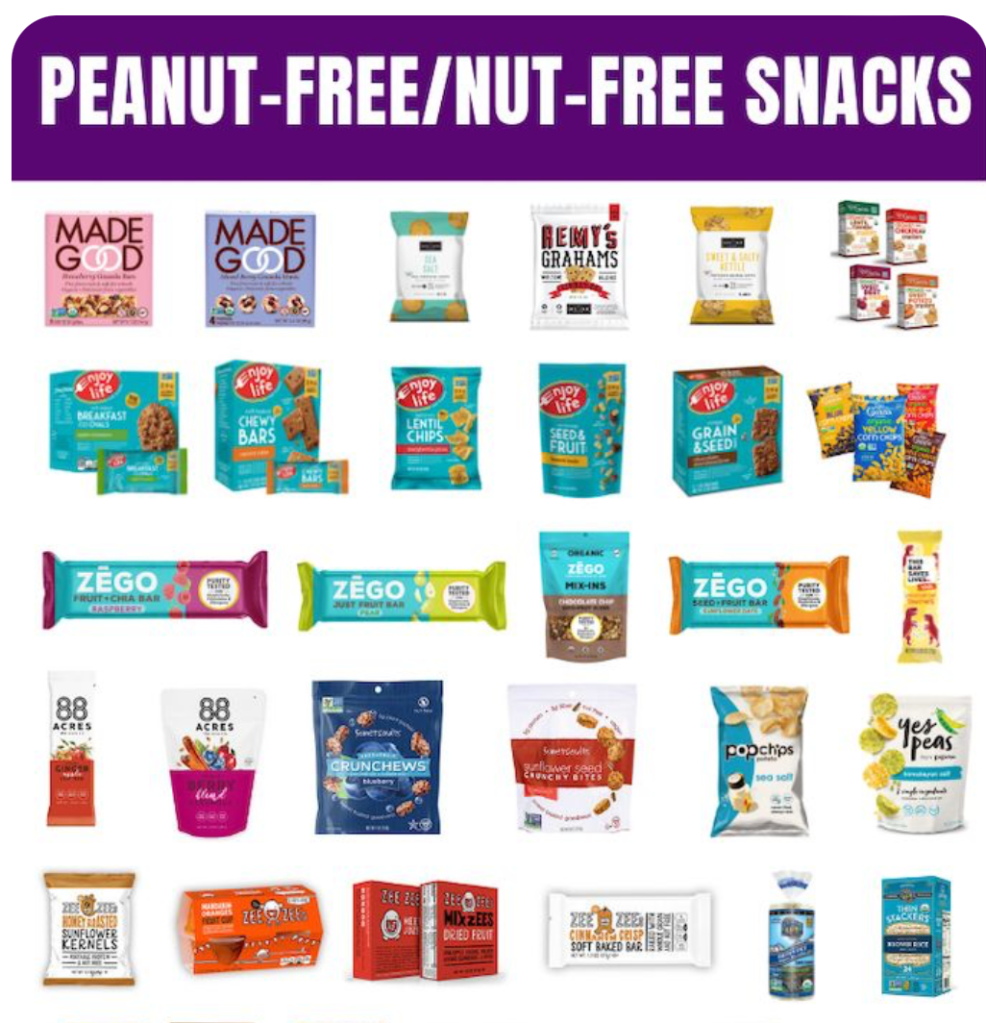
        3) Stick to trusted brands – If these 2 tips above don’t feel comforting enough, only eating brands that are explicitly nut-free adds an extra layer of constant reassurance of an allergen free space for no chances of reaction.

        For someone with a nut allergy, grocery shopping isn’t just about picking what looks good for fun. It’s about safety, awareness, and sometimes avoiding entire aisles altogether. Understanding the labels, risks, and cross-contact possibilities is the key to navigating the store without fear. Ultimately, knowing the hidden risks lets you shop confidently, even in the trickiest aisles!!!

      5. Vacations are supposed to be the easiest, most relaxing part of life. Sun, sleep, snacks, repeat. But… if you’re traveling with food allergies, you know there’s always that extra layer of food logistics staring in the background. New restaurants, new ingredients, new kitchens, and new people preparing your food.

        I used to think that traveling with nut allergies meant saying no to half the experiences everyone else got to have. But the more I’ve traveled, the more I’ve learned that vacations can still be as relaxing, you just have to approach them with a thought out plan that you trust.

        Here are some tips I use whenever traveling on vacation:

        1. Research the food scene before you arrive
        I always look up food allergen policies for resorts, hotels, or cruise lines ahead of time. Some places have amazing systems, such as color-coded wristbands, allergy-friendly kitchens, or chefs who meet you personally. Whereas others…not so much. But, therefore by doing the research beforehand, you can have that extra piece of mind and stress-free relaxation before stepping foot into your vacation.

        2. Bring your safe foods
        Every person with an allergy has them, the snacks or easy meals you know are 100% safe, especially for breakfast(I always love to bring pre-packaged cereals). I always pack enough for any possible airport delays, sleeping in after breakfast, and that inevitable moment when everyone else wants ice cream from a random cart with no ingredient label.

        3. Communicate!!
        Whether it’s a casual beach coffee shop or a fancy dinner, I explain my allergy clearly and specifically to every waiter or server. If the staff seems unsure, I don’t test my luck as vacation miles away from home is not the time to take any chances.

        How travelling has actually helped me with confidence:

        Unexpectedly, travelling with allergies actually allowed me to learn great techniques to use in my life. This is because travelling with allergies forces you to learn about how your body reacts to unfamiliar situations like new cuisines, new kitchens, and new cooking styles. It teaches you how to advocate for yourself without apology or uncertainty, which are such important things to learn as life goes on.

            All in all, food allergies do NOT get to decide how far you travel or how much fun you’re allowed to have. With the proper planning, communicating, and a little extra prep, you can actually relax, try new things, and enjoy the kind of break everyone else takes for granted without worry!!!
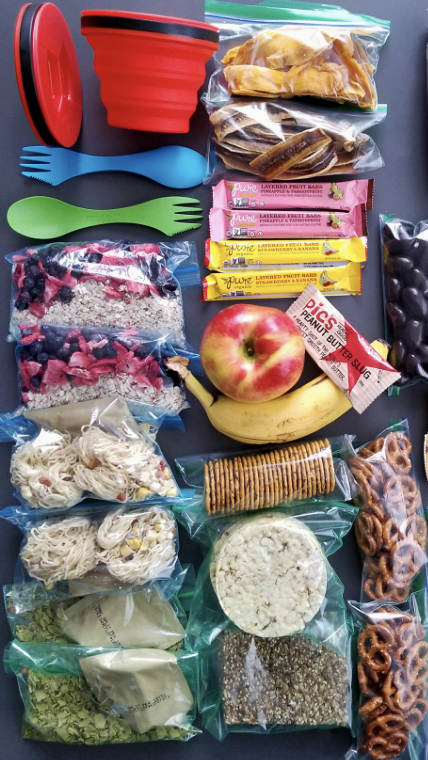
          1. If you’ve ever stood in front of your fridge at 10 pm, staring into the emptiness of your fridge, and praying that a fully packed nut-free lunch would magically assemble itself…welcome to the club. Packing lunches with food allergies isn’t hard because the food is boring, it’s hard because you have to balance safe, easy, and practicality into a lunch that also won’t get smushed by 3rd-period all at the same time. Oh, how many times I wished I could just pack a Nutella or Peanut Butter and Jelly sandwich.

            Plus, let’s be honest, most lunch ideas on TikTok or Instagram assume you have two hours, a whole bento box collection, and the patience to cut sandwiches into crazy animal shapes. That is not feasible.

            The reality of the questions that need to be asked when making an allergy-free lunch is:
            What can I pack in under 7 minutes?
            Will this actually fill me up?
            Do I have a backup snack?

            So here are realistic and actually doable nut-free school lunches that don’t require complicated ingredients, won’t make you feel left out, and taste good.

            1. DIY Snack Box
            This lunch is perfect for days when you want variety and no one specific main item. For example, in this you would pack:
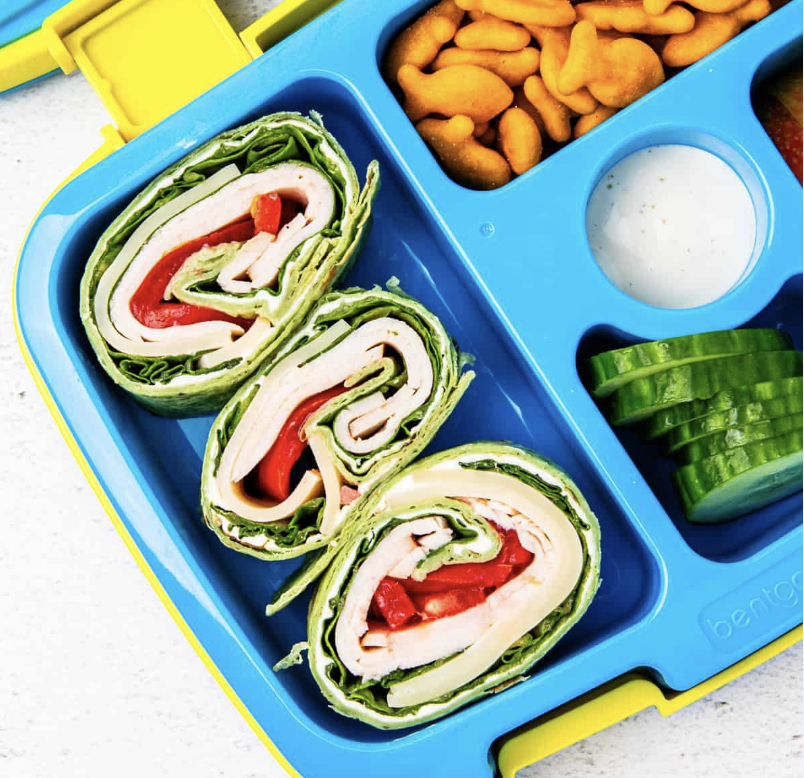
            – Turkey roll-ups
            – Crackers
            – Grapes or strawberries
            – Carrots + ranch
            – Cookie or sweet treat

            Nut-Free School Lunch Ideas Even PB&J Nuts Will Love | Holley Grainger

            2. Pasta
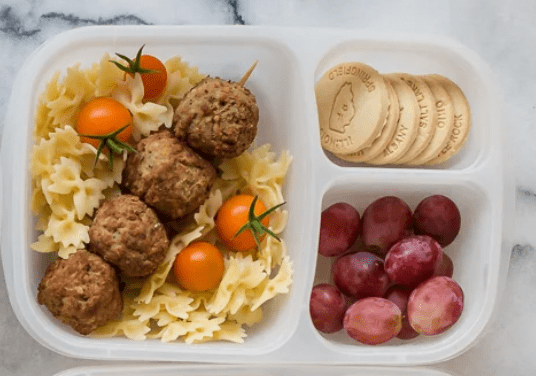
            This is a lunch that tastes just as good, even 4 hours later at room temperature in a thermos. In this lunch, you would pack:
            – Pasta with butter, olive oil, or marinara
            – Cucumber slices and carrots
            – Pretzels
            – Yogurt

            3. Burrito Bowl
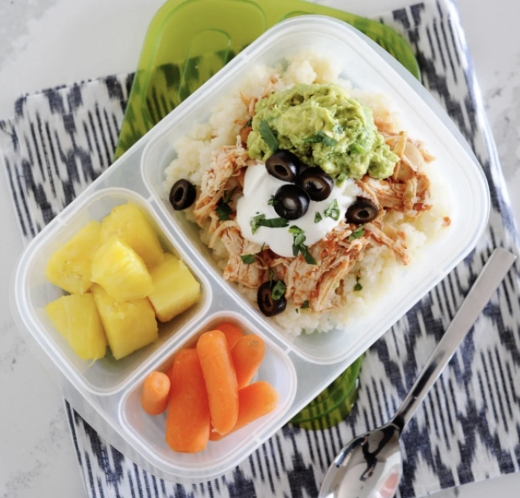
            This is a lunch that checks all the nut-free boxes. It has protein, carbs, and vegetables with an amazing build it yourself flavor with no risks of nuts. In this lunch, you would pack:
            – Rice
            – Chicken
            – Beans
            – Tortilla chips
            – Corn and cheese
            – Fruit such as strawberries

            5. Breakfast for Lunch
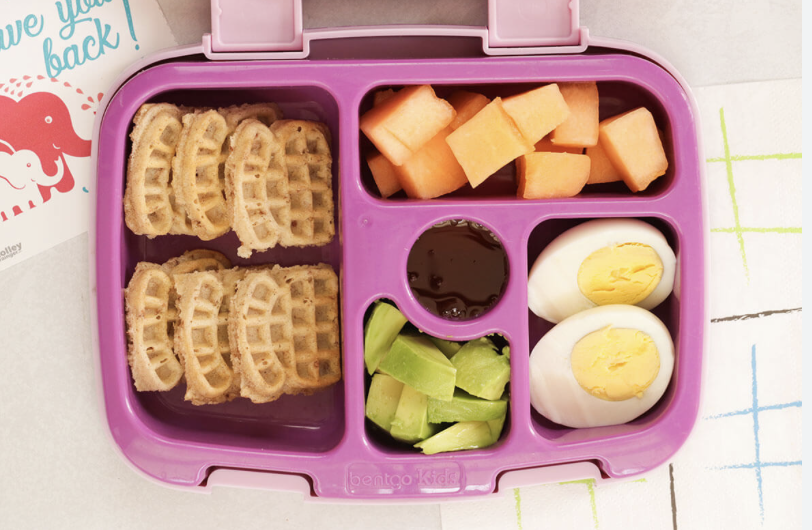
            This lunch is amazing because let’s be honest, breakfast food hits different at noon and is the best treat. In this lunch, you would pack:
            – Mini pancakes or waffles
            – Fruit cup variety
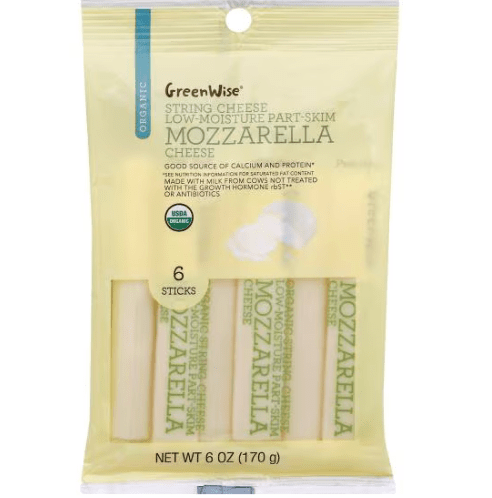
            – String cheese
            – Little container of sunbutter
            – A bag of cereal, such as Cheerios
            – Hard boiled egg

            6. The Sandwich Rotation
            This is a lunch that sub PB&J or Nutella sandwiches any day. They are quick, safe, and customizable. In this lunch, you would pack:
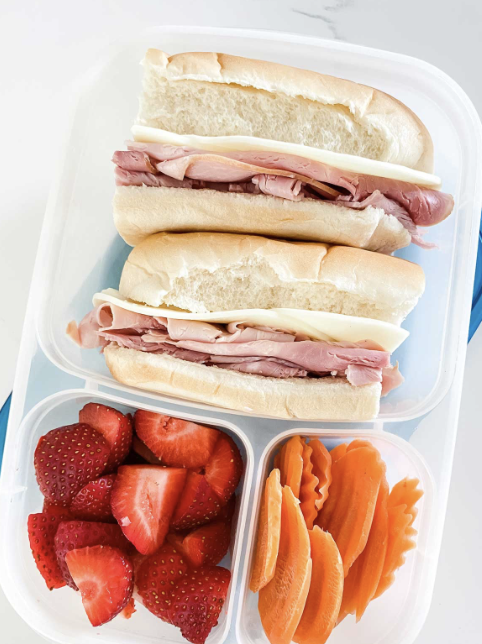
            – Turkey + cheese sandwich
            – Chicken salad sandwich
            – Egg salad sandwich
            – Veggie Wrap with Hummus
            – Ham + Cheese Sandwhich
            – Sunbutter + jelly Sandwhich

            Plus any of these lunches can be paired with safe nut-free sides such as:

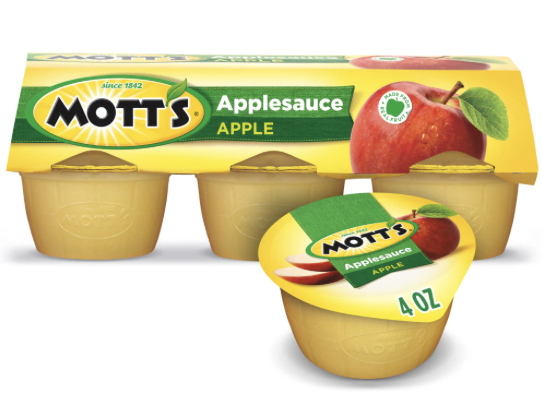
            • Applesauce cups
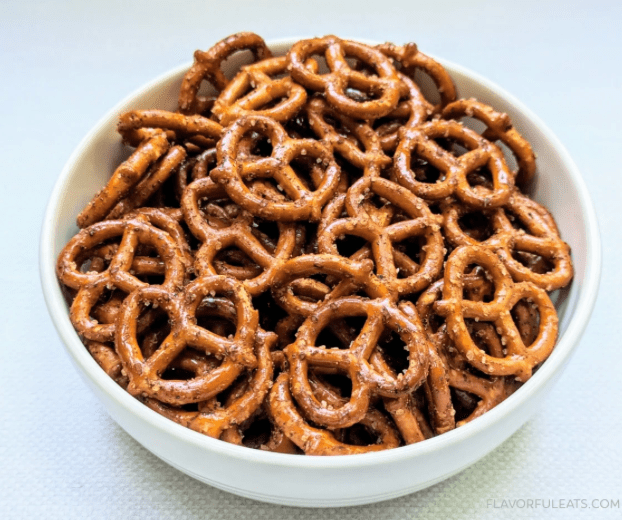
            • Pretzels
            • Popcorn
            • potato chips
            • Safe granola bars
            • Cheese sticks
            • Veggie straws
            • Chocolate pudding cups
            • Or any other snacks you love!!

            Ultimately, packing nut-free lunches isn’t about perfection, it’s about finding food that keeps you safe, full, and without worries during the school day. The reality is that some days you’ll feel inspired and prep everything ahead like a full course meal, while other days you’ll just throw pasta into a container with a bag of Goldfish and call it a day. Both are valid. What matters is that you have options that work for you, you enjoy, and that fit your allergy requirements without making lunch feel stressful or limiting!!!