

About Me!

Hi! My name is Rachel Rothstein, and living with a nut allergy has added significant challenges in my daily life, especially when it comes to reading food labels and ensuring safety. I have often found ingredient lists to be confusing or unclear, making it difficult to make choices. I created Behind the Label to empower others with food allergies by sharing my personal journey, providing reliable information, and offering allergy-friendly recipes to assist others facing similar challenges. Thanks for visiting my blog!

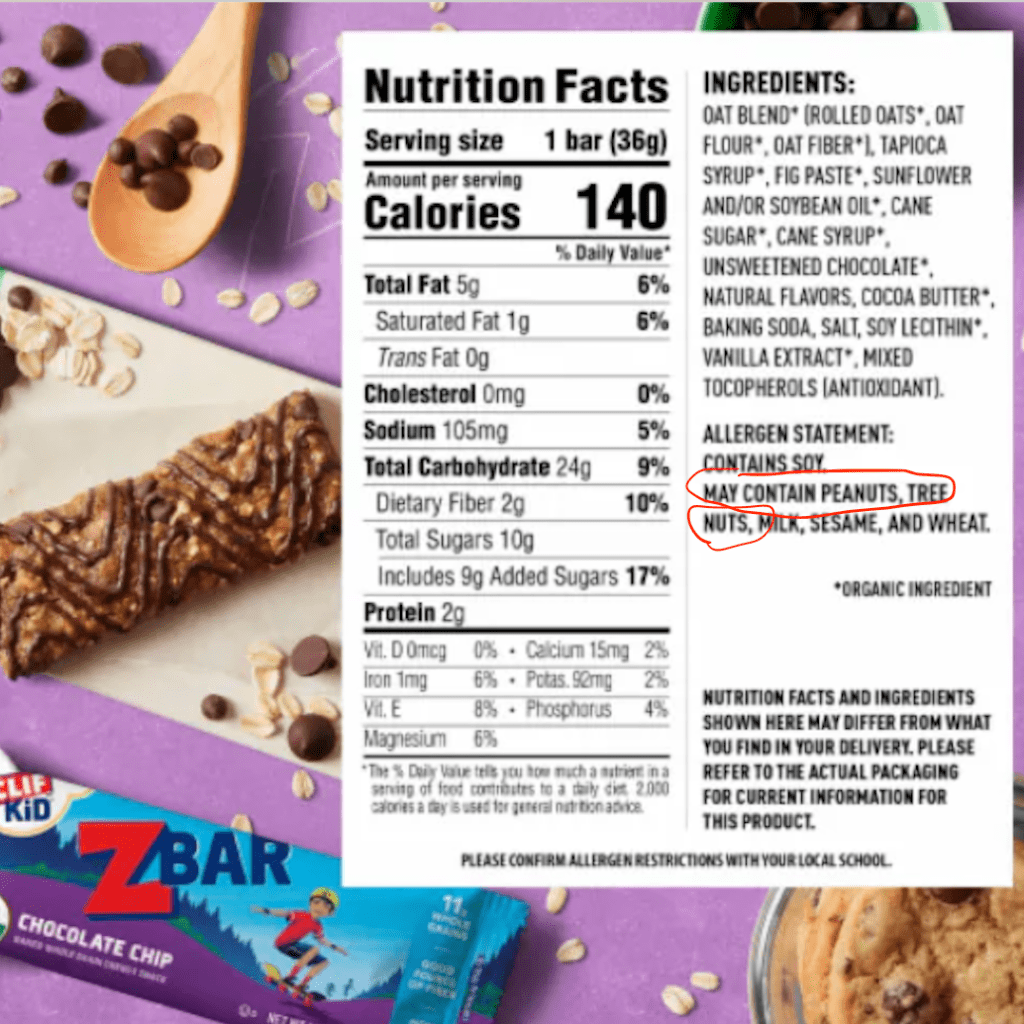
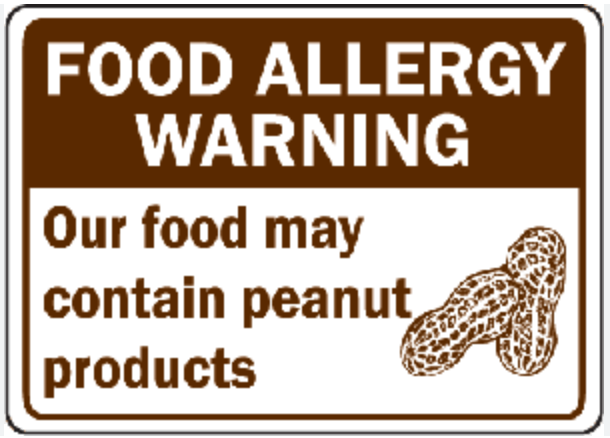
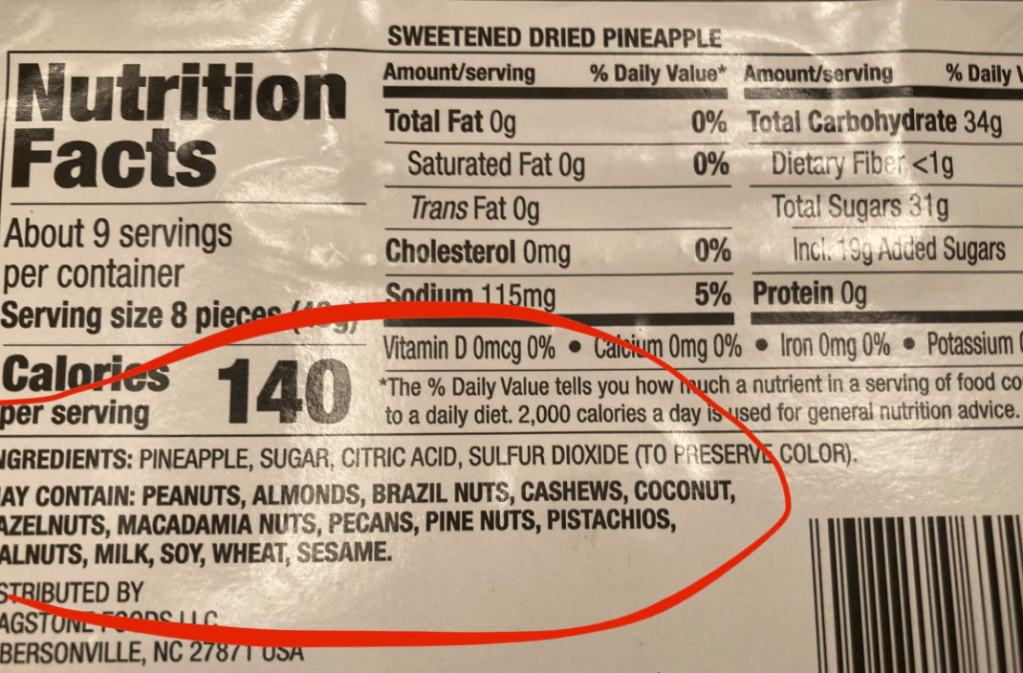
  • May contain” products should be avoided. Take away the guess work and call the manufacturer directly to ask about the product before buying or consuming it.

    If you live with food allergies, you know that the words “may contain” can completely change your day. They are in the fine print on everything from granola bars to chocolate, to candy such as M & M’s, often leaving you stuck in a cycle of uncertainty: Is this safe, or is it not?

    For many people, these warnings are confusing. Do they mean the product actually has nuts in it? Or that it was made on the same line as products that do? The truth is, those two little words can mean different things depending on the brand, the factory, and the labeling policies – It is very subjective. And unfortunately, this inconsistency creates constant stress for people with food allergies. Daily life becomes a series of judgment calls. You find a new snack that looks safe, but the “may contain” statement makes you hesitate. Should you risk it? Should you eat it? Should you walk away? Most of the time, you choose the cautious route, but that choice can feel frustrating and isolating, especially when friends or family don’t really understand why you’re turning down something that “probably won’t hurt you.”

    Plus, this continuous questioning doesn’t stop at the grocery store. It follows you to school, restaurants, holiday gatherings, and even sporting events. Reading every single label isn’t just about nutrition; it’s about safety. So when “may contain” shows up, it turns a simple moment like grabbing a snack into an exhausting decision.

    This lack of standardization leaves people with allergies with millions of questions, not knowing what to do. So what should we do? Here is what I recommend as someone who constantly experiences this.

    1. When in doubt, don’t eat it.

    Health always comes first. Look for products labeled “nut-free” or “made in a nut-free facility” to reduce stress and risk. If you’re ever unsure, contact the brand or keep a safe backup snack on hand. Over time, you’ll learn which brands and products you can trust, leading to more comfort overall.

    2. Compare similar products

    Sometimes the same type of snack from a different brand doesn’t also have the “may contain” warning, so when in doubt stick with the snacks that definitely do not have that “may contain statement.

    3. Keep an allergy-safe snack with you 

    I recommend always trying to have an allergy-free snack with you so you don’t feel pressured to risk a “may contain” item when hungry or be in a situation where you feel forced to eat the “may-containing” snack.

    Ultimately, dealing with “May contain” labels can feel stressful and exhausting, but taking steps like checking labels carefully, contacting manufacturers, and keeping safe snacks on hand can make it manageable.

    Over time, you’ll learn which products and brands you can trust, giving you confidence in your daily choices. In the end, remember that you can always take the safe route by not eating that snack, and you should never feel pressured to eat a certain food. “May contain” labels do NOT have to control your day, by using these tips, you can enjoy food without worrying about what you eat!!

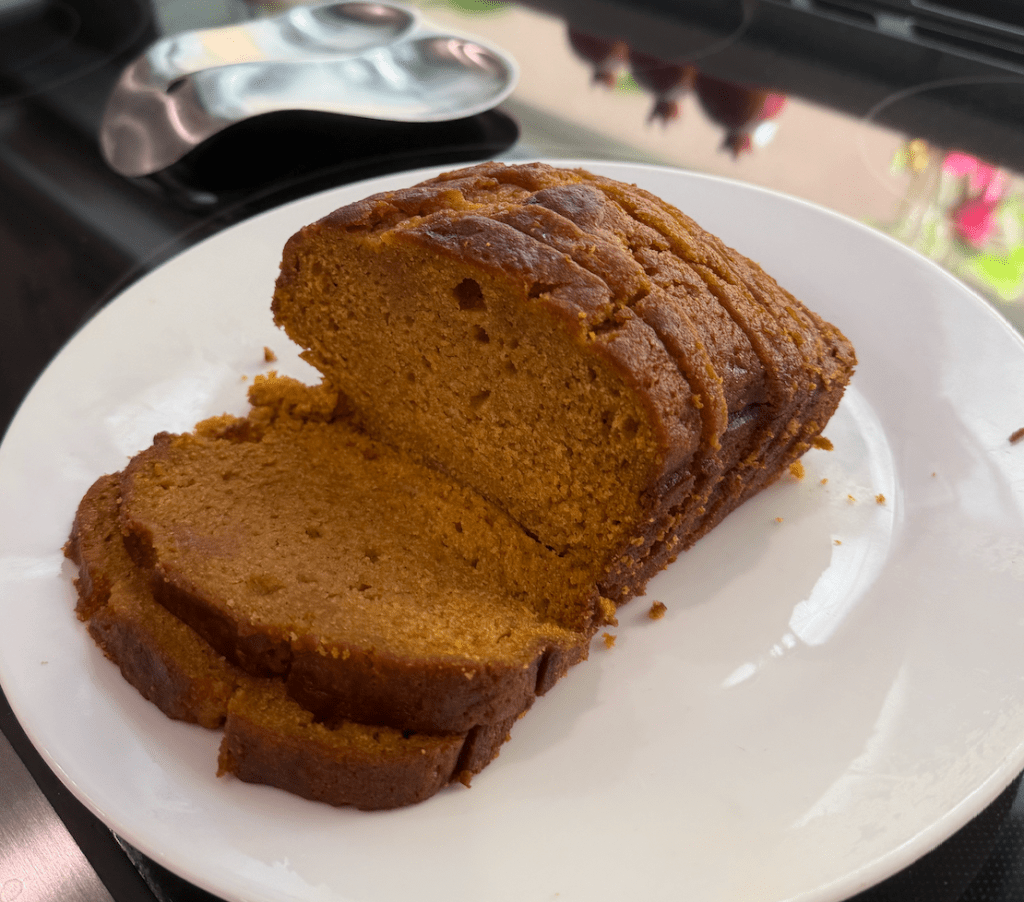
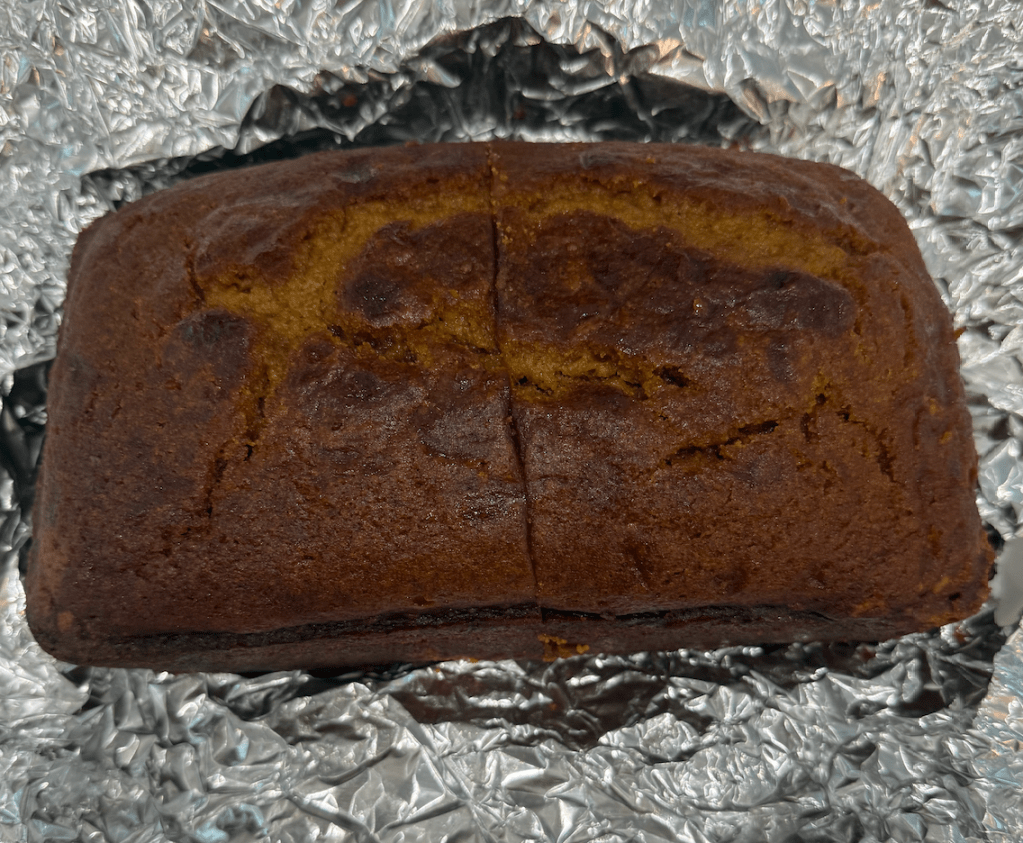
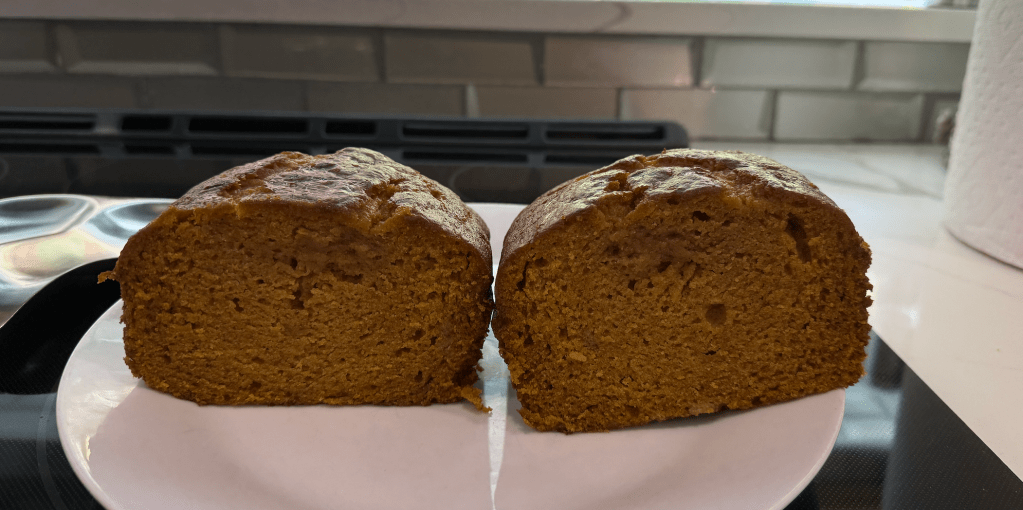
  • Fall is approaching, and pumpkin bread is a fan favorite! Nothing feels more comforting than having a warm slice of pumpkin bread straight out of the oven with your house smelling fantastic. But… when you live with food allergies, the classic fall recipes you find online or in bakeries often come with an unfortunate surprise – walnuts or pecans. That’s why I want to share with you the BEST nut-free pumpkin bread recipe out there that is amazing and has all the fall flavors without any nut-allergen worries!!

    Ingredients:

    • 3 1/2 cups of flour
    • 2 teaspoons of baking soda
    • 1 1/2 teaspoons of salt
    • 1 teaspoon of cinnamon
    • 1 teaspoon of nutmeg
    • 3 cups of sugar
    • 1 cup of vegetable oil
    • 4 eggs
    • 2/3 cup of water
    • 2 cups (1 can) of pumpkin puree

    Instructions:

    1. Preheat your oven to 35- degrees and grease 2 loaf pans with butter
    2. In a large bowl, sift the flour, baking soda, salt, cinnamon, nutmeg, and white sugar, then mix together.
    3. Create a well in the center of the dry ingredients and add the oil, eggs, water, and pumpkin.
    4. Combine all of these ingredients together well, then pour the batter into the 2 loaf pans, dividing evenly.
    5. Bake for 1 hour, then remove from the oven and let cool completely before removing from the pan.
    6. Slice, serve, and ENJOY!!!!
  • Banana bread is a classic warm, comforting, and perfect for any time of day. But for those with nut allergies, finding a safe and delicious recipe can be tricky as many traditional banana bread recipes have nuts for crunch and flavor. That’s why I’m sharing a foolproof, nut-free banana bread recipe that is delicous and is one everyone can enjoy!

    Ingredients:

    • 1/4 cup canola oil
    • 1/4 cup softened butter
    • 1 cup sugar
    • 2 very ripe bananas
    • 2 eggs
    • 1 teaspoon vanilla
    • 1 1/2 cups all purpose flour
    • 1 teaspoon baking soda
    • 1/2 teaspoon salt
    • 1/4 cup sour cream

    Instructions:

    1. Preheat the oven to 325 F and grease 2 loaf pans with butter
    2. In a bowl, mix the oil, butter, and sugar until combined. Then stir in the eggs, vanilla extract, and banana until smooth.
    3. Stir in the dry ingredients and sour cream until a batter has formed. Then pour into the greased loaf pans.
    4. Bake for 50 to 60 minutes until completely baked, then remove from oven and cool at least 15 minutes before removing from pan. Slice and serve!

    ENJOY!!!

  • I know firsthand that talking to your doctor about food allergies can feel very overwhelming. Whether you’re newly diagnosed, managing a long-term allergy, or suspect you have one, knowing the right questions to ask can make your appointment more productive and less stressful.
    Here’s a guide and some tips on questions to ask to help you prepare and get the most out of your doctor visits!!

    1. What tests will you use to diagnose or confirm my food allergies?
      Understanding and asking what tests (for example, skin prick, blood tests, oral food challenges) are needed to help you know what to expect and how accurate the diagnosis is.
    2. Can my allergies change over time?
      Ask if your allergy is likely to be lifelong or if you might outgrow it. Knowing this helps with long-term planning.
    3. How severe is my allergy, and what symptoms should I watch for?
      Get clear information on what kinds of reactions you might have, from mild to severe or anaphylactic, so you know when to seek emergency care.
    4. What should I do if I have an allergic reaction?
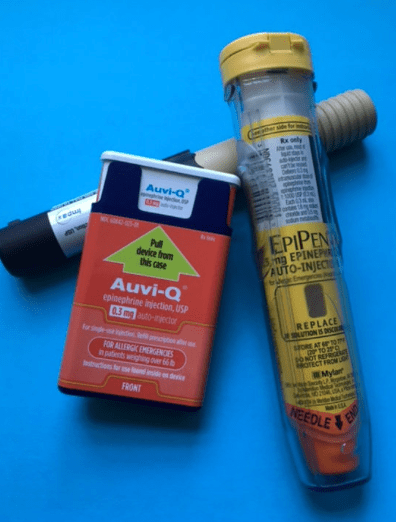
      Ask about when and how to use medications like antihistamines and epinephrine (EpiPen). Clarify when you need to call 911 or go to the ER.
    5. How can I avoid accidental exposure?
      Discuss tips for preventing cross-contact at home, school, work, and when eating out.
    6. Should I carry an epipen? How many and when?
      Learn the best practices for carrying, storing, and using your EpiPen or other emergency medication.
    7. Are there any new treatments or therapies I should consider?
      Ask about options like oral immunotherapy (OIT), SLIT, and food challenges or if you want to explore treatment beyond avoidance.
    8. How can I talk to my family, friends, and coworkers about my allergies?
      Doctors can give advice on how to educate your support system to keep you safe.

    Additionally, when meeting a doctor to speak about allergies, make sure to bring a list of your symptoms and any questions before your visit. Also, be honest about your lifestyle and any past allergic reactions, and don’t be afraid to ask for clarification if something is confusing.

    Finally, remember that you are your best advocate when it comes to your health. Preparing ahead with these questions will help your doctor understand your needs and guide you toward safer, more confident management of your food allergies. Remember you’ve got this!!!

  • I always dreamed of being the person casually snacking on trail mix, eating yogurt with granola, or digging into a blueberry parfait without a second thought. But every time I picked up a bag of granola, I was met with that all-too-familiar line: CONTAINS NUTS. It felt like something so simple was off-limits. But not anymore. Today, granola can finally be a part of the nut-free life and if not better than the typical granola!!!

    Ingredients:

    • 1/4 cup honey
    • 1/3 cup light brown sugar
    • 8 tablespoons salted butter
    • 2 teaspoons vanilla extract
    • 1 pinch salt
    • 3 1/2 cups rolled oats

    Instructions

    1. Preheat the oven to 300 F and line a baking sheet with parchment paper
    2. Add honey, brown sugar, and butter to a pot and heat over medium heat untill butter has melted and sugar dissolved – about 5 minutes then remove from heat
    3. Stir in the vanilla extract and salt into the melted honey-butter mixture
    4. Add the oats into the honey mixture and stir together untill no dry patches of oat remain
    5. Pour he granola mixture onto the lined baking sheet and spread evenly accross the pan
    6. Bake for 20-30 minutes untill the granola is lightly golden brown on the edges
    7. Let the granola cool for about 30 minutes then break into pieces of your desired size with your hands
    8. Once fully cooled store inside an airtight container

    I personally love to pair my granola with chobani strawberry yogurt.

    ENJOY!!!
  • When you have food allergies, traveling abroad can feel like stepping into the unknown—especially if you don’t speak the language. Telling servers at your local restaurants is hard enough, but a language barrier makes it even worse. You’re already navigating new foods, unfamiliar customs, and different allergy labeling laws, and the last thing you want is a miscommunication about your allergy.
    That’s where food allergy cards come in. Small, powerful tools that can literally be life-saving.

    What Are Food Allergy Cards?
    Food allergy cards are wallet-sized cards that clearly state your allergies in the local language of the country you’re visiting. You can show them to servers, chefs, or food vendors to help ensure that your meal is safe.

    They usually include:

    • A clear list of your allergens
    • A statement like “I have a severe allergy. If I eat this food, I could go into anaphylactic shock.”
    • A polite but direct request like “Please make sure my food does not contain or come into contact with these ingredients.”

    Below is an Example with the left in English and right in German.

    Example in English Example in German

    Why they are so important when traveling:
    Language barriers can make explaining your allergy nearly impossible in some situations. Additionally, labeling laws vary widely from country to country. Not every place has strict labeling like the U.S.
    In some countries, food allergies may not be taken as seriously or might be confused with dietary preferences that are not life-threatening. Also, you might not know how a dish is traditionally prepared in other countries compared to how it is done in the USA. For example, almond paste is popular in many European desserts. A well-written allergy card in the local language can prevent dangerous mix-ups and help others take your allergy seriously.

    When to Use Them:
    – At restaurants or cafés
    – At food markets or street vendors and show the card before you even ask about the food.
    – In hotel kitchens or buffets. Also, ask the staff to speak with the chef using your card.
    – On flights. Show the card to the flight attendant when receiving meals or snacks.

    Where to Get Them
    – AllergyTranslation.com
    , which offers customizable allergy cards in 40+ languages.

    Finally, an important tip whenever travelling is to print at least 3–5 copies of your card before you leave on your trip, just in case some get lost or kept by the chefs. Carry one in your wallet, one in your day bag, and stash an extra in your suitcase. So, if one gets lost or damaged, you’ve got backups.

    So, whether you’re ordering Pasta in Italy, a croissant in France, or sushi in Japan, a food allergy card gives you the voice you need to communicate, even if you don’t speak the language. It’s a small piece of paper with the power to give you freedom, safety, and peace of mind!!

  • I personally love Halloween. I once dressed up as a minion, M&M, scary cheerleader, and even once as a gumball machine!! But…for those with food allergies, it’s all fun and games until the treat part arrives. If you have a nut allergy, you know just how hard it is on Halloween to make sure the candy you serve and get does not contain nuts. According to Smithsonian magazine, “Allergic reactions to peanuts and tree nuts spike 85 percent on Halloween.” However, when properly educated and taking the necessary precautions, there is nothing to worry about..

    To help with this, below is a list of candies that are nut-free. However, ALWAYS double-check each individual package (because manufacturing facilities can change), but this is a great place to start.

    1. Smarties

    2. Tootsie Rolls

    3. Starburst

    4. Sweedish fish

    5. Sour patch kids

    6. Haribo Gummy Bears

    7. Nerds

    8. Laffy Taffy

    9. Airheads

    10. Mike and Ike

    11. Ring Pops

    To add on to this list, below are also some great tips you can use for a Safer Halloween:


    1. Create a safe swap bag: Trade candy you picked with nutrs for allergy-friendly ones you’ve pre-approved and pre-bought.


    2. Put a teal pumpkin outside: This shows your house has non-food or allergy-safe treats.


    3. Bring your own treats to parties as its better to be safe than sorry.


    4. Teach other kids what to look for in food labels

    Nut allergies should not steal the fun from Halloween. With a little prep and the proper precautions, you can have a sweet, safe, and spooky night!!

  • I love food. Sushi, Mexican, Hibachi, any cuisine possible. Going out to eat should be fun… but when you have food allergies, it’s not as simple as just picking the tastiest thing on the menu. It’s reading between the lines. It’s wondering if that “special sauce” is actually safe. It’s trying to ask the server the right questions without feeling like an annoyance or burden.

    Trust me, I have sat at restaurant tables countless of times pretending to skim the menu like everyone else, while actually scanning for danger. If that’s you too, you’re not alone, and the are always ways to make it easier.

    Here are some tips on how I handle eating out at restaurants with food allergies

    1. Do Your Homework Before You Go

    When it comes to allergies, research is your best friend. I always check the menu online first and look for at least 1 dish I could possibly have and look out for words like “contains nuts,” or any possible allergy symbols. Also, search for reviews on apps such as yelp with keywords like “peanut allergy” or “nut-free”.

    2. Call Ahead
    If there is one tip to take away from this blog post it is this one. Ask to speak with the manager or chef before going to the restaurant and say: “Hi, I have a severe nut allergy, do you accommodate that, and is there anything I should avoid?” This is so important as it helps you avoid the awkward moment at the table when everyone’s ordering and you’re stuck trying to figure out if you’ll even be able to eat. And, if worst comes to worst if they sound unsure or dismissive or unsure, just trust your gut and dont eat there as it is not worth the risk.


    3. Ask the Right Questions
    Once you’re at the restaurant, don’t just say, “I have a food allergy.” Add onto that and be specific and clear, such as: “Does this dish contain any nuts?”, “Is it made on shared equipment or in the same fryer as foods with nuts?”, and “Can the chef prep this in a clean area with clean utensils?” Additionally, always use the word “allergy” as It shows and tells the server that this isn’t a preference for not liking the taste of nuts and it’s okay if a nut accidentally comes into contact with your food, but that it’s a medical risk and must be accommodated.

    4. Know the hidden ingredients

    The worst part about allergies such as nuts is that more times than not, they’re hidden. An almond flour muffin can look just like a regular one. A coffee might be made with almond milk without it being listed clearly. Even a seemingly savory Mexican dish, like a burrito topped with mole sauce, can be blended with peanuts or tree nuts inside.
    This is why it’s so important to never assume, even if a food looks safe. Always ask questions, double-check ingredients, and speak up, because with food allergies, it’s often the ingredients you don’t see that are the most dangerous.

    5. Ask and advocate without apologizing

    Listen carefully: You do not have to feel weird for speaking up! I used to over-explain or say sorry every time I asked a question. Now, I just say, “I have a severe allergy to nuts, so I just want to double-check if what I want can be made safely?” Confident, respectful, and clear. Also, if the server looks confused or unsure, ask to speak to a manager. A good restaurant will always want to help you stay safe. And if they don’t? That’s your sign to leave and try somewhere else.

    Overall, eating out with allergies doesn’t have to be scary, and it shouldn’t stop you from enjoying good food with good company. As long as you advocate for yourself, ask clear questions, and communicate your needs confidently, you can definitely eat out safely. The more you practice, the more natural it becomes. You deserve to enjoy your meal and feel safe doing it!!

  • Back to school season usually means shopping for new notebooks, pens, and maybe a cool first-day outfit. But… if you have food allergies, it also means making sure you’re safe. Not so much now, but especially when I was younger in elementary school, kindergarten – 5th grade, from school lunches to awkward class parties with mystery cupcakes and donuts being brought in, there’s a lot of risks to think about.

    So, here is how my parents and I used prep for school with food allergies, and how you can too:

    1. Meet with the nurse early
    Schedule a meeting with the nurse before the first day if possible. Bring your allergy action plan, EpiPens, and any necessary medication such as Benadryl and Cortizone. Go over exactly what your allergies are, what symptoms to look for, and what you would do in an emergency. Also, do not assume the nurse remembers you from last year as the nurse can change and a lot of time has passed by.

    2. Talk to Your Teachers

    Let your teachers know about your allergies, especially if food is involved in their classroom. It does not need to be dramatic. A quick email like, “Hey, I have a peanut allergy, and I carry an EpiPen. Just wanted to make sure you’re aware,” goes a long way. Plus, when I was younger in elementary school, this especially came in handy, as if there were any class parties or birthdays with treats involved, your teacher could give you a heads-up to bring a safe alternative.

    3. Lunch
    If you eat school lunch, talk to the cafeteria staff or nutrition director. Ask about ingredient lists, how food is prepared, and if there’s any cross-contact with allergens. If it seems sketchy or they’re unsure, bring lunch from home until you’re 100% confident it’s safe.

    4. Pack Prepared
    Make sure you’ve always got:

    • Your EpiPen
    • Antihistamines such as benadryl and Cortizone if needed
    • A safe snack or two (just in case you can’t eat what’s being served)

    5. Make a 504 Plan (If Needed)
    A 504 Plan is a formal document that protects students with medical conditions (like food allergies). It can cover classroom procedures, cafeteria accommodations, and emergency protocols. Not required, but if your allergies are severe, it can help put things in writing and reduce the stress of constant explaining.

    All in all, going back to school with allergies doesn’t have to feel overwhelming or isolating. With a little planning, and communication, you can focus on the fun parts of the year, and not the stressful ones!!

  • As someone with food allergies, one thing I always do before eating something is reading the food label and ingredients list thouroughly.  Reading these food labels are a critical part of avoiding allergens and preventing allergic reactions.

    Reading a food label for allergens is completely different from what you and others might be used to. It is more than just looking at the protein, carbs, salt, trans fats, and calorie count. Instead, for food allergies, the ingredient list and any warning labels are the most important. However, packaged and processed foods often contain many ingredients and sometimes they are not labelled in a straightforward way. This can make reading food ingredient labels difficult and it may be hard to know how a particular ingredient relates to your allergy.  

    Here are some things to know, tips, and tricks to read these food allergy labels like a pro!

    1. What allergens must be listed in the USA

    The way allergens are listed in the USA compared to other countries differ as in the U.S., the FDA requieres for the top 9 allergens to be clearly listed on food packages.

    The top 9 are:

    • Milk
    • Eggs
    • Peanuts
    • Tree nuts (like almonds, walnuts, cashews)
    • Fish
    • Shellfish/Crustaceans
    • Wheat
    • Soy
    • Sesame

    These 9 allergens must be listed in the ingredients list or stated in a contains or may contains section below the ingredients list. Heres an example in a picture.

    Ingredients: Pistachio Nuts, Sea Salt
    Contains: Pistachio
    May Contain: Peanut and other tree nuts

    2. May Contain vs. Processed in a Facility
    For those with food allergies like me, one of the most confusing things on labels are the voluntary food warnings.

    May contain peanuts means that the product might have trace amounts due to shared equipment.
    Processed in a facility also means that there’s a risk of cross-contact, but usually less direct than may contain.
    However, these warnings aren not regulated the same way that Contains statements are. Companies aren’t required to include them, and there’s no standard way to phrase them.

    The bottom line when dealing with these food labels is that if you’re unsure or the allergy is very severe, to just fully avoid it or contact the brand.

    3. Know that food label rules aren’t always the same in other countries
    Another thing to know about food allergies is that if you’re traveling or buying imported foods, do not assume that the same rules apply.

    For example, the UK and EU require labeling for 14 allergens, including celery and mustard, Canada has different wording, and sesame wasn’t always required until recently. Also, some countries have no labeling rules at all!
    So, if you’re traveling, it’s smart to carry food allergy translation cards and always properly communicate with the chef and server (more on that in another post!)

    So, remember, before buying or eating something, ask yourself:

    1. Is my allergen listed directly?
    2. Is there a “may contain” or cross-contact warning?
    3. Do I need to call the company to double-check?
    4. Is this from a country with different labeling laws?

    All in all, with the proper knowledge, skills, and tools, when reading food packaging labels, there is nothing to worry about! Reading labels is not just a habit, it’s a life skill when you live with food allergies. Once you get used to it, you’ll start spotting red flags instantly. It may feel overwhelming at first, but you will learn what to trust, when to ask, and how to stay safe without missing out!!