
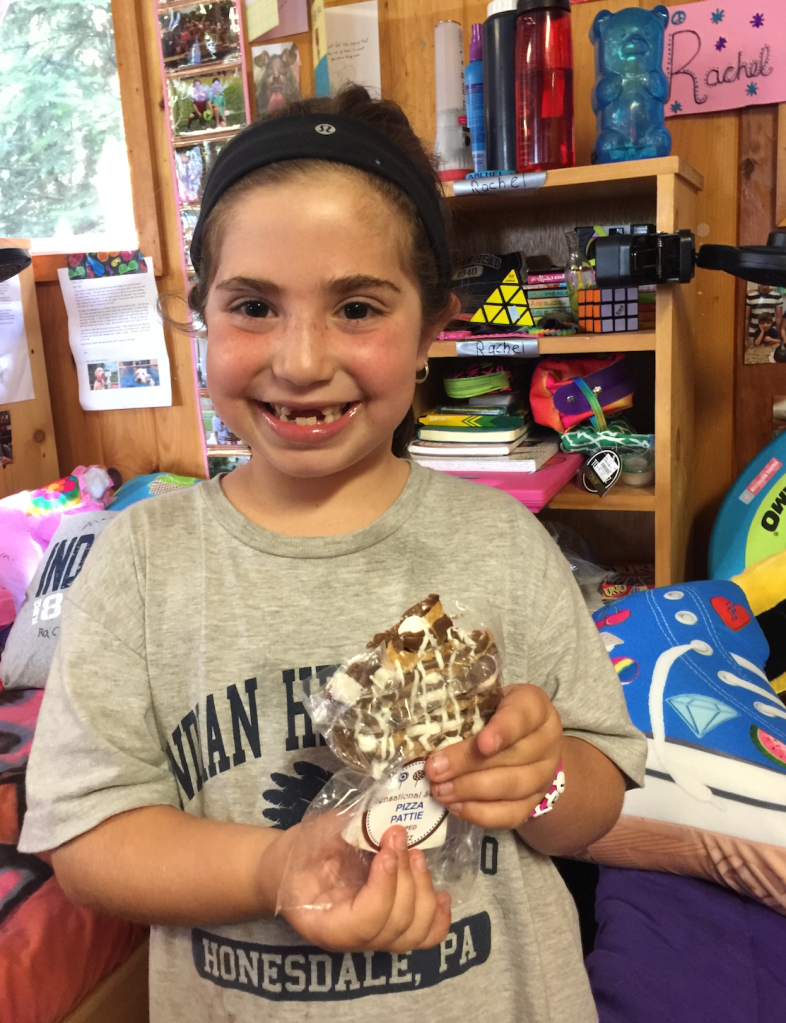
Camp was always supposed to be the place where I could unplug from everything. Whether it be school, stress, or boring, constant routines, however, my nut allergy never fully unplugged with me. It followed me into the dining hall, onto the lake, into my cabin, and even to the campfire. While everyone else showed up thinking about which color war team they would be on, I was thinking about whether the kitchen actually understood what “nut-free” meant.
Cabins brought their own challenges. Even at camps that were “nut-free,” which was amazing, there was always that one kid who brought a peanut butter protein bar or a Reese’s peanut butter cup from home, because they didn’t read the packing rules or didn’t think it mattered. And suddenly, the cabin became a place where I had to pay attention to surfaces, wrappers, and where people were eating. I always had a spot for my safe snacks, a plan with my counselor, and my medication closely attached to me. Not things most campers have to worry about.
Then there were the classic camp moments that everyone else sees as carefree. For example, s’mores nights by the campfire, hikes, overnight trips, and random snack breaks. For me, these were moments that looked fun on the outside but required a full mental checklist behind the scenes. S’mores meant checking marshmallow brands, the marshmallow sticks, and the chocolate labels. Hikes meant hoping the counselor didn’t surprise everyone with a snack that I couldn’t eat and sharing water with someone who ate nuts that day. Plus, canteen treats meant running first in line, so the nut-free snacks were not gone too quickly.

Don’t get me wrong, camp never stopped being fun, but it also never stopped being work.
However, what made the difference for me was the camps that actually understood. The ones where staff kept packaging for me to check, counselors remembered my allergy before handing out snacks or before we left campgrounds, and the kitchen staff who carefully and correctly prepared my meals always. Those camps, such as Camp IHC made me feel safe without making me feel singled out. They made camp feel like camp, not like a 7 weeks long obstacle course of avoiding nuts.
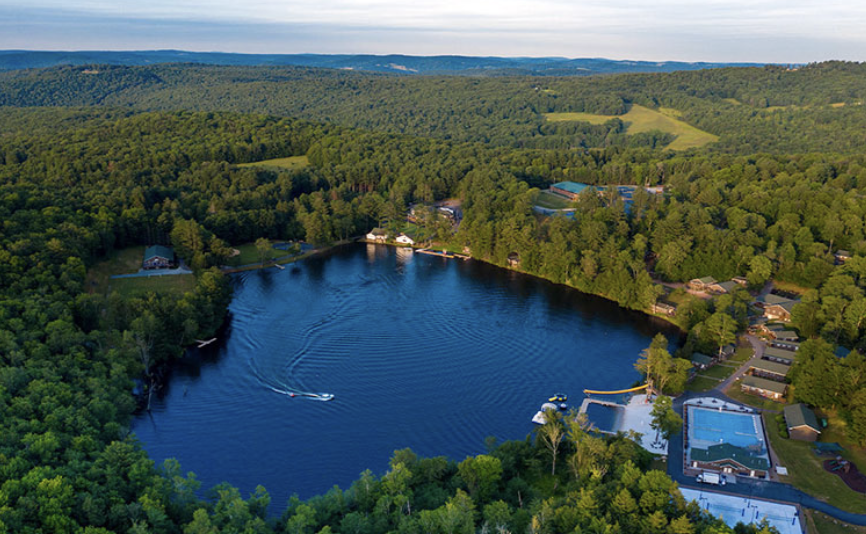
Ultimately, a nut allergy doesn’t stop and take a vacation when you go to camp. It doesn’t stay home or magically disappear because you want to relax and detox, it comes with you. But with the right people, the right communication, and the right camp that takes allergies seriously, it stops being the main focus. You get to actually enjoy the parts everyone else does, like lake days, cabin jokes, s’mores nights, campfires, and the feeling of being part of something, creating lifelong memories and friendships.
That’s when camp finally feels like it should, not something that’s work and to be survived, but something to enjoy.

 Behind The Label
Leave a comment