
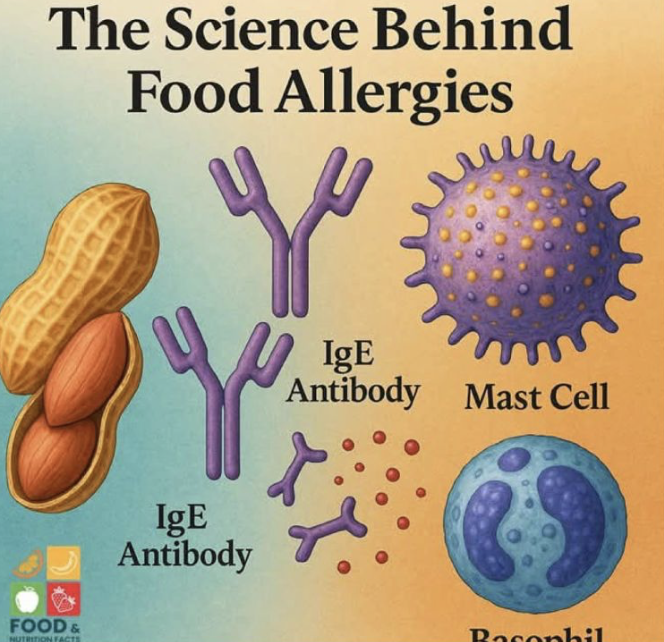
Flip over any snack at the grocery store and you’ll see it. Those bold allergen warnings printed “Contains: peanuts, tree nuts.” For most people, they’re easy to ignore. For those of us with food allergies, they’re the difference between a normal day and a potential medical emergency.
But what’s actually going on behind those labels?
Why can a crumb of the wrong cookie trigger such a massive reaction?
And why do manufacturers plaster warnings about “shared equipment” or “possible cross-contact” on everything from granola bars to sprinkles to gummy bears?
Welcome to the science behind allergies, where we will understand how and why the body’s immune system turns something harmless into a threat.
The immune system’s misidentification
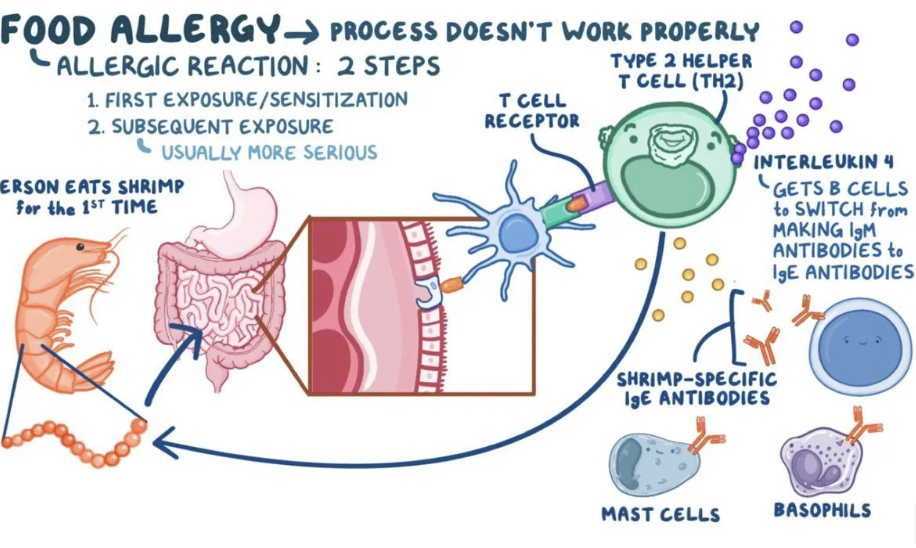
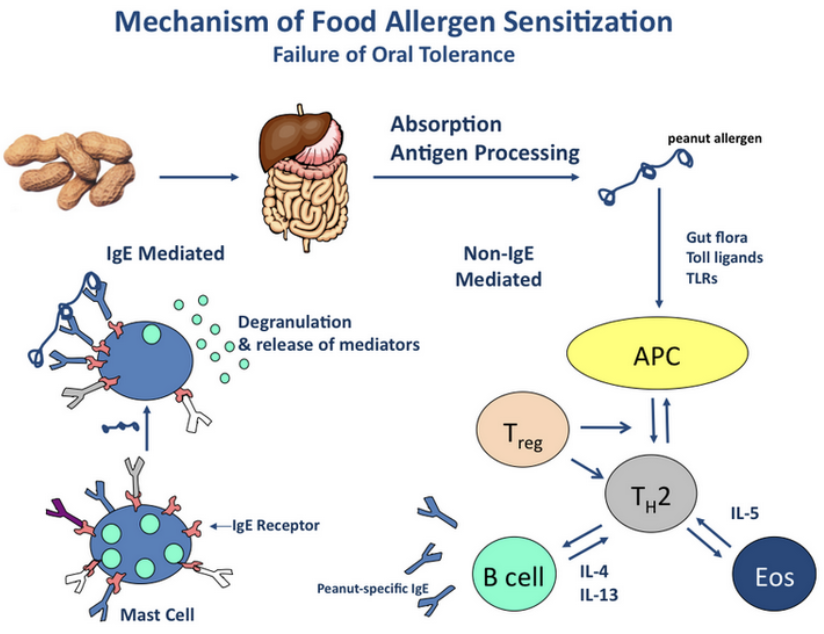
Your immune system normally protects you from threats such as illnesses and infections, but in a person with a food allergy, it mistakenly flags a protein in a certain food as dangerous. This protein is called an allergen. When you are exposed to it, your immune system creates specific IgE antibodies to recognize and target it. Initial exposure can lead to a process called sensitization, in which the immune system learns to react to the food.
The allergic reaction
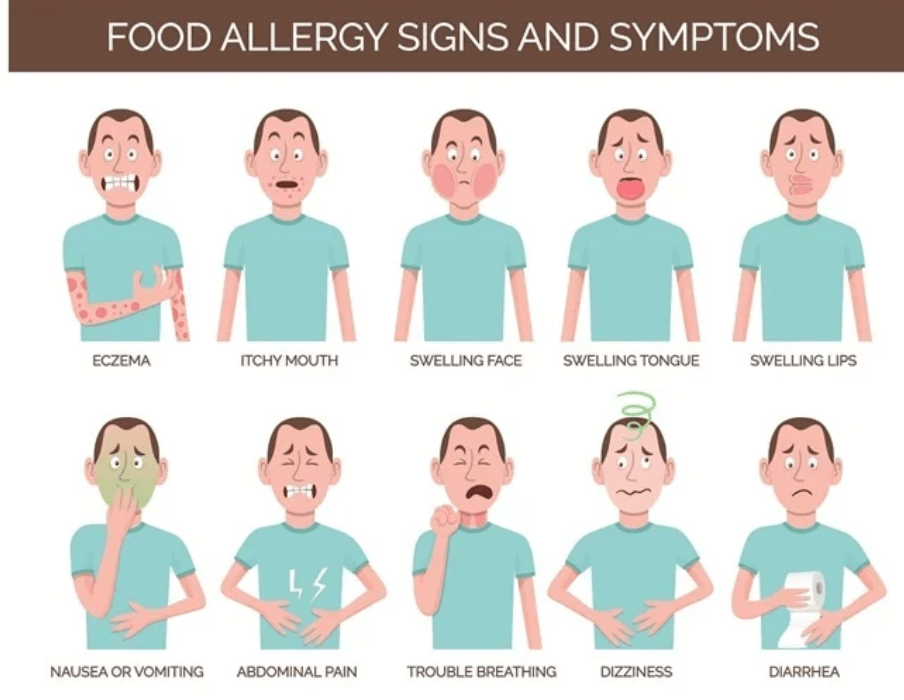
So, then the next time you eat even a small amount of the food, the IgE antibodies detect the allergen. They then trigger immune cells to release chemicals, including histamine, into your bloodstream. These chemicals cause many symptoms of an allergic reaction. For example, histamine causes blood vessels to widen, leading to swelling, and it can trigger itching, a runny nose, or, in severe cases, a life-threatening drop in blood pressure and breathing difficulties (AKA anaphylaxis).
Why Trace Amounts Matter
For people without allergies, a tiny amount of peanut dust is meaningless. But…for someone with allergies, the immune system reacts to the presence of the protein, not the amount. That means even a microscopic trace can trigger the same IgE response. This is why cross-contact, shared equipment, and “may contain” warnings matter so much. It’s also why reactions can feel random or unpredictable, as they depend on exposure, not the portion size.
Why Some People Develop Allergies and Others Don’t
Scientists still don’t know the full reason behind why certain people have allergies compared to others, but research points to a mix of reasons, such as:
- Genetics (allergies often run in families)
- Immune system development in early childhood
- Environmental factors
- Timing of food introduction
- Hormones
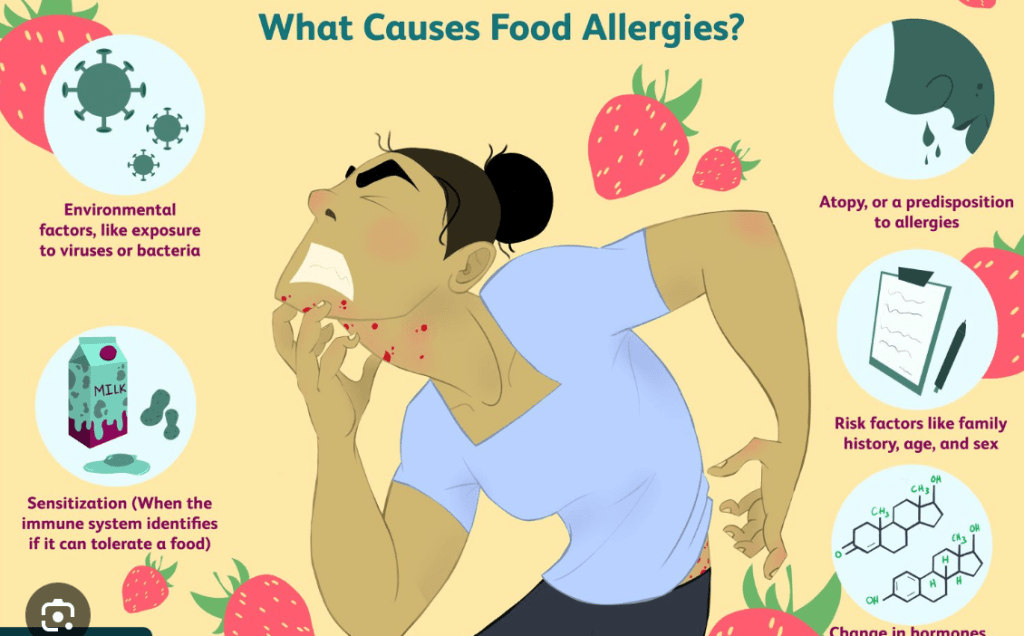
Ultimately, there is no single cause of food allergies. It’s just a combination of factors that shape how the immune system reacts to foods.
Living With the Science
Behind every ingredient label, dinner question, and restaurant conversation is a complex biological process. People with allergies aren’t being dramatic or picky. Instead, they are navigating a constantly alert immune system that treats everyday foods like threats.
Knowing the science doesn’t make allergies easier, but it explains why constant alertness is necessary, why small risks matter, and why awareness is lifesaving.
 Behind The Label
Leave a comment