

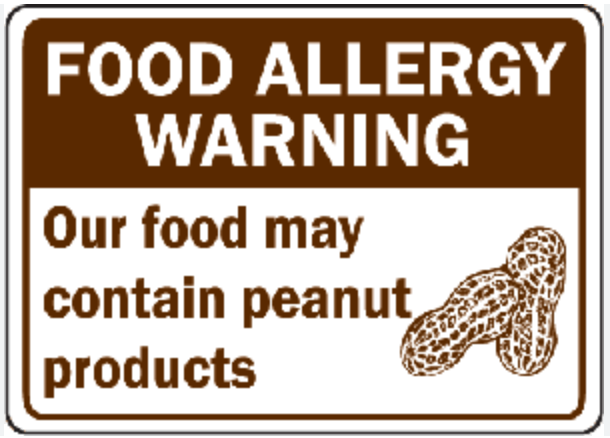
May contain” products should be avoided. Take away the guess work and call the manufacturer directly to ask about the product before buying or consuming it.
If you live with food allergies, you know that the words “may contain” can completely change your day. They are in the fine print on everything from granola bars to chocolate, to candy such as M & M’s, often leaving you stuck in a cycle of uncertainty: Is this safe, or is it not?
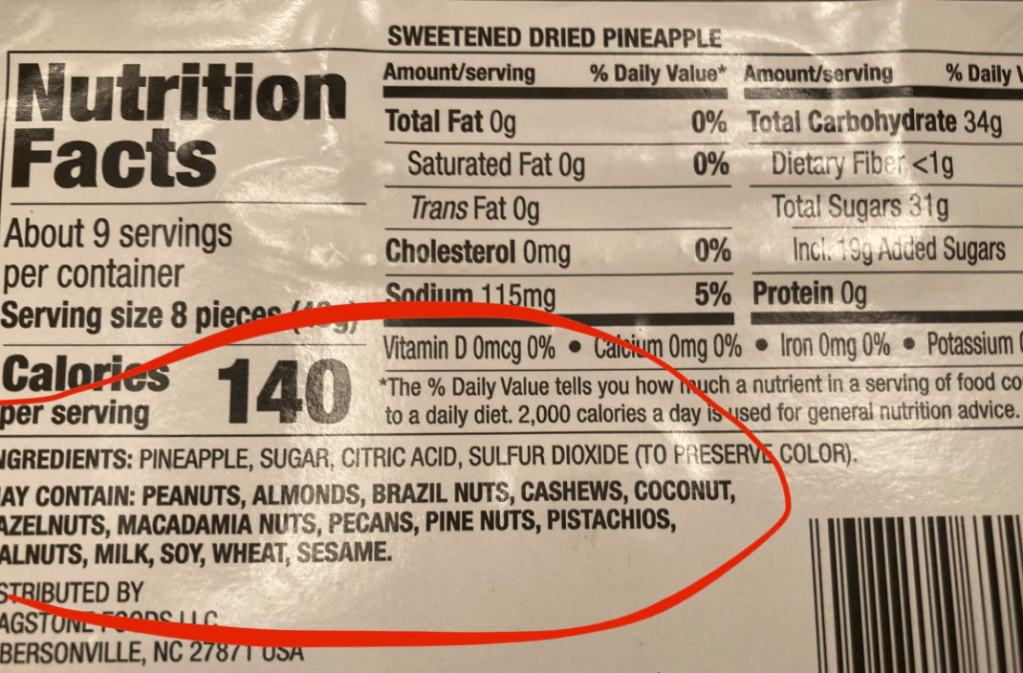
For many people, these warnings are confusing. Do they mean the product actually has nuts in it? Or that it was made on the same line as products that do? The truth is, those two little words can mean different things depending on the brand, the factory, and the labeling policies – It is very subjective. And unfortunately, this inconsistency creates constant stress for people with food allergies. Daily life becomes a series of judgment calls. You find a new snack that looks safe, but the “may contain” statement makes you hesitate. Should you risk it? Should you eat it? Should you walk away? Most of the time, you choose the cautious route, but that choice can feel frustrating and isolating, especially when friends or family don’t really understand why you’re turning down something that “probably won’t hurt you.”
Plus, this continuous questioning doesn’t stop at the grocery store. It follows you to school, restaurants, holiday gatherings, and even sporting events. Reading every single label isn’t just about nutrition; it’s about safety. So when “may contain” shows up, it turns a simple moment like grabbing a snack into an exhausting decision.
This lack of standardization leaves people with allergies with millions of questions, not knowing what to do. So what should we do? Here is what I recommend as someone who constantly experiences this.
- When in doubt, don’t eat it.
Health always comes first. Look for products labeled “nut-free” or “made in a nut-free facility” to reduce stress and risk. If you’re ever unsure, contact the brand or keep a safe backup snack on hand. Over time, you’ll learn which brands and products you can trust, leading to more comfort overall.
2. Compare similar products
Sometimes the same type of snack from a different brand doesn’t also have the “may contain” warning, so when in doubt stick with the snacks that definitely do not have that “may contain statement.
3. Keep an allergy-safe snack with you
I recommend always trying to have an allergy-free snack with you so you don’t feel pressured to risk a “may contain” item when hungry or be in a situation where you feel forced to eat the “may-containing” snack.
Ultimately, dealing with “May contain” labels can feel stressful and exhausting, but taking steps like checking labels carefully, contacting manufacturers, and keeping safe snacks on hand can make it manageable.
Over time, you’ll learn which products and brands you can trust, giving you confidence in your daily choices. In the end, remember that you can always take the safe route by not eating that snack, and you should never feel pressured to eat a certain food. “May contain” labels do NOT have to control your day, by using these tips, you can enjoy food without worrying about what you eat!!
 Behind The Label
Leave a comment