


Back to school season usually means shopping for new notebooks, pens, and maybe a cool first-day outfit. But… if you have food allergies, it also means making sure you’re safe. Not so much now, but especially when I was younger in elementary school, kindergarten – 5th grade, from school lunches to awkward class parties with mystery cupcakes and donuts being brought in, there’s a lot of risks to think about.
So, here is how my parents and I used prep for school with food allergies, and how you can too:
1. Meet with the nurse early
Schedule a meeting with the nurse before the first day if possible. Bring your allergy action plan, EpiPens, and any necessary medication such as Benadryl and Cortizone. Go over exactly what your allergies are, what symptoms to look for, and what you would do in an emergency. Also, do not assume the nurse remembers you from last year as the nurse can change and a lot of time has passed by.
2. Talk to Your Teachers
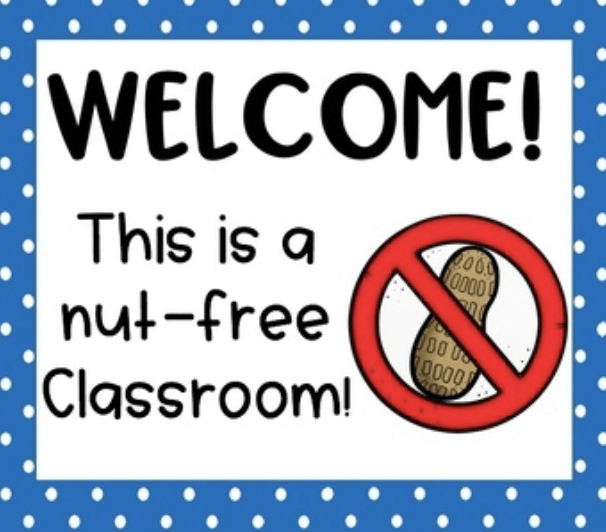
Let your teachers know about your allergies, especially if food is involved in their classroom. It does not need to be dramatic. A quick email like, “Hey, I have a peanut allergy, and I carry an EpiPen. Just wanted to make sure you’re aware,” goes a long way. Plus, when I was younger in elementary school, this especially came in handy, as if there were any class parties or birthdays with treats involved, your teacher could give you a heads-up to bring a safe alternative.
3. Lunch
If you eat school lunch, talk to the cafeteria staff or nutrition director. Ask about ingredient lists, how food is prepared, and if there’s any cross-contact with allergens. If it seems sketchy or they’re unsure, bring lunch from home until you’re 100% confident it’s safe.
4. Pack Prepared
Make sure you’ve always got:
- Your EpiPen
- Antihistamines such as benadryl and Cortizone if needed
- A safe snack or two (just in case you can’t eat what’s being served)
5. Make a 504 Plan (If Needed)
A 504 Plan is a formal document that protects students with medical conditions (like food allergies). It can cover classroom procedures, cafeteria accommodations, and emergency protocols. Not required, but if your allergies are severe, it can help put things in writing and reduce the stress of constant explaining.
All in all, going back to school with allergies doesn’t have to feel overwhelming or isolating. With a little planning, and communication, you can focus on the fun parts of the year, and not the stressful ones!!
 Behind The Label
Leave a comment