
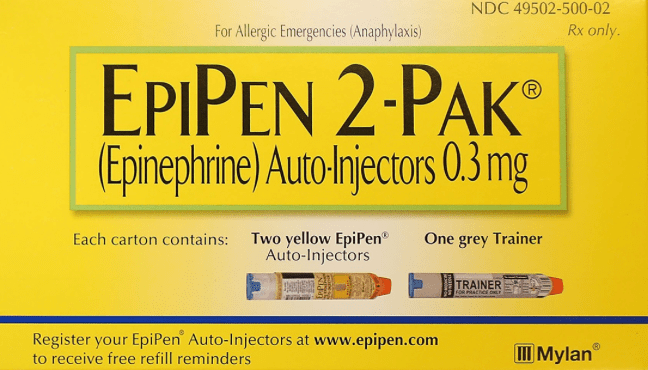
The word EpiPen is short for epinephrine and is the drug form of adrenaline. Adrenaline is key and saves lives when an allergic reaction occurs, as your body goes into anaphylaxis and “fight or flight” mode.
Anaphylaxis sounds daunting. It is the name of the severe, potentially life-threatening allergic reaction that can occur rapidly. It involves the sudden release of chemicals from the immune system that can cause many symptoms, including difficulty breathing, a drop in blood pressure, and a rash. Food Allergy Research and Education (FARE) says, “Anaphylaxis often begins within minutes after a person eats a problem food. Less commonly, symptoms may begin hours later.”
The EpiPen works by counteracting the effects of the anaphylactic allergic reaction. The adrenaline helps open airways, raises blood pressure, and reduces swelling.
My Personal EpiPen Journey
Before, the idea of using an EpiPen terrified me. I hated shots. I hated the sight of needles. I hated giving blood and IVs. The sheer thought of stabbing an EpiPen into my own leg during an emergency made my stomach knot. In my head, the EpiPen was this huge, long, gigantic needle. Just another scary part of having allergies of course.
But here’s what I learned, most of that fear wasn’t really about the needle. It was about the reaction. The loss of control, the panic, and the symptoms I would possibly feel. Once I understood that the EpiPen wasn’t the scary part, but actually my way out and the thing that would save me, something shifted.
I started to educate myself. I practiced with countless EpiPen trainers to make sure I was prepared, constantly reminding myself that this device is here to help me, not to hurt me.
Now, I see the EpiPen not as something scary, but as a tool that gives me the ability to take control of my allergy and save my life, not the other way around. So, while I still don’t love needles, I now do know what to do. And that knowledge makes all the difference. Think of it like a quicker, smaller flu shot, just a few seconds of discomfort that can and will save your life.
History of the EpiPen
In 1987, the FDA approved the EpiPen. For a long time, it was the only epinephrine auto-injector available. But technology is always evolving, and so are the ways we can respond to anaphylaxis. Today, there are multiple FDA-approved options to choose from:
- Generic EpiPens
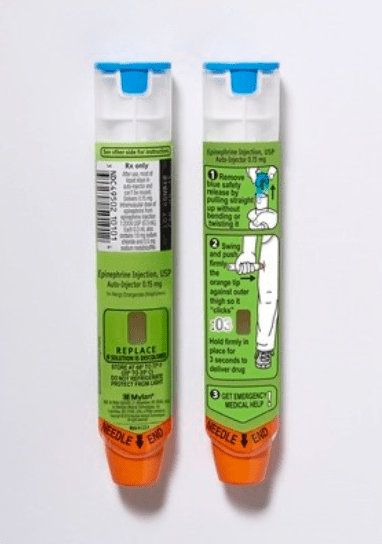
The EpiPen we all know and love. These versions of the epipen are FDA-approved and contain the same active ingredient (epinephrine) that saves lives and are significantly more affordable. They’ve helped reduce financial barriers and made access to life-saving medication more possible for families, schools, and individuals.
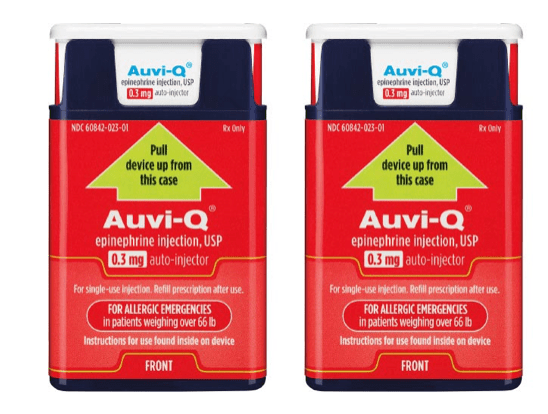
2. Auvi-Q
Auvi-Q is a compact, pocket-sized auto-injector that gives step-by-step voice instructions during an emergency. This feature is great for people who might panic or have never used one before. It’s easy to carry and simple to use.
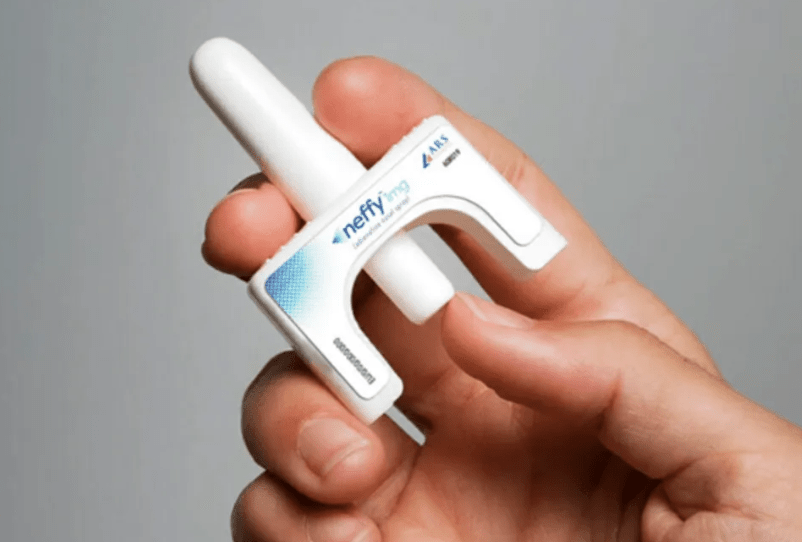
3. Neffy
Neffy is a new, needle-free epinephrine nasal spray that was recently FDA approved. It represents a major step forward in allergy treatment, especially for those who are scared of needles, especially young children and infants. Just one quick spray, and the medicine goes to work.
All in all, whether you choose a brand-name EpiPen like Auvi-Q or a generic version, these medications all serve the same purpose, to treat an allergic reaction effectively, and save your life. So, the most important thing isn’t which device you carry, it is that you actually do carry one, know how to use it, and feel confident using it!
 Behind The Label
Leave a comment